
 EN
EN
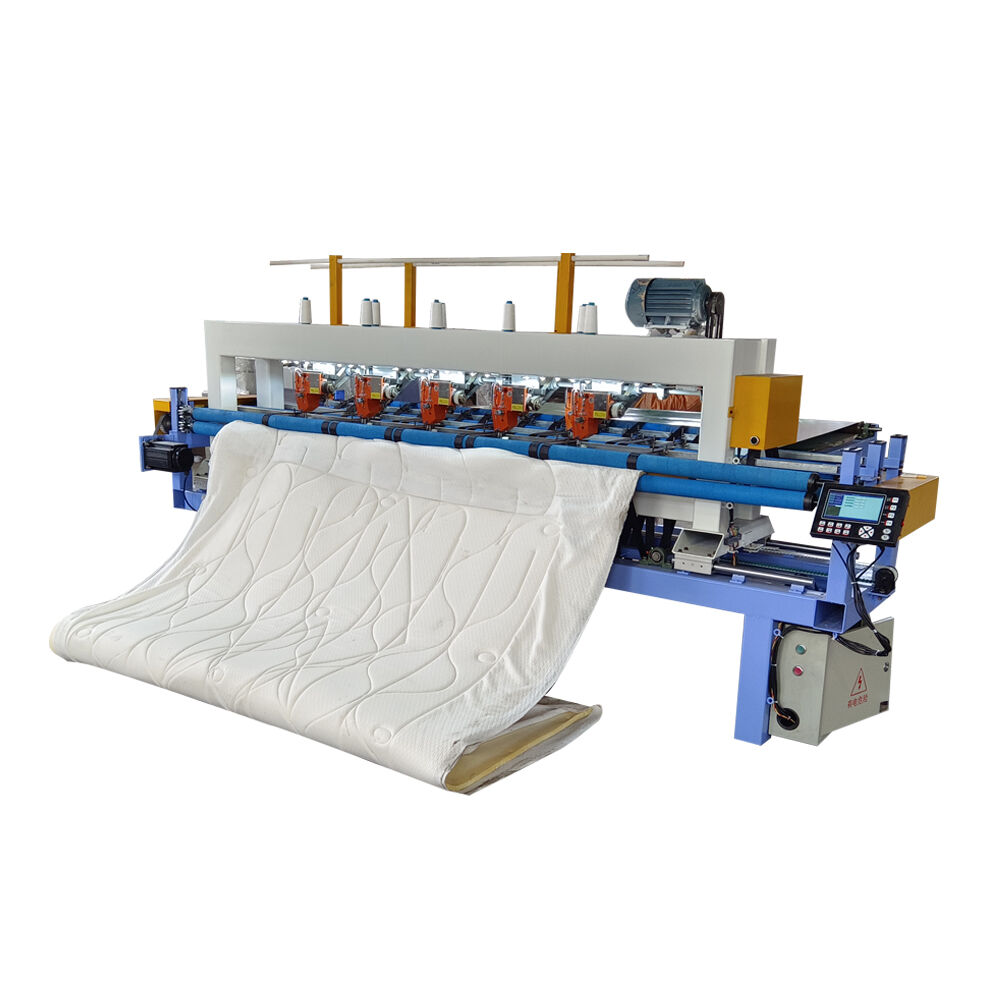
Bewertung der Produktionskapazität Ihrer Deckenmaschine
Abstimmung der Maschinenspezifikationen mit den Zielvorgaben für die Kleinserienfertigung
Hersteller müssen die technischen Fähigkeiten ihrer Deckenmaschinen streng an spezifische Produktionsziele anpassen – insbesondere bei Kleinserienfertigung (50–200 Einheiten täglich). Zu den entscheidenden Spezifikationen zählen die Zykluszeit pro Einheit, die maximale Füllkapazität und der Automatisierungsgrad. Maschinen mit Funktionen für schnellen Werkzeugwechsel sowie einstellbaren Steuerungen für Stichmuster und Füllverteilung sind unverzichtbar, um bei begrenzten Losgrößen eine gleichbleibende Qualität sicherzustellen. Ohne diese Abstimmung kann die Kapazitätsverschwendung laut branchenüblichen Effizienzbenchmarks 15–30 % betragen.
Berechnung der realen Durchsatzleistung: Zykluszeit, Schichtausbeute und tägliche Kapazität
Eine genaue Durchsatzanalyse geht über theoretische Spezifikationen hinaus und spiegelt die tatsächliche Leistung wider. Wenden Sie diese dreistufige Methodik an:
- Analyse der Zykluszeiten : Messen Sie mehrere vollständige Produktionszyklen – von der Materialbeschickung bis zum Austrag des fertigen Deckens – und bilden Sie den Mittelwert der Ergebnisse. Berücksichtigen Sie dabei auch Nebentätigkeiten wie Fadenwechsel oder kleinere Anpassungen.
- Berechnung der Schichtausbeute multiplizieren Sie die durchschnittliche Zykluszeit mit den produktiven Stunden pro Schicht (typischerweise 7,5 Stunden nach Abzug von 30–45 Minuten für Pausen und Umrüstungen). Beispiel: Eine Zykluszeit von 2 Minuten ergibt 225 Einheiten/Schicht.
- Effizienz-Anpassung wenden Sie einen realistischen Effizienzfaktor von 80–90 % an, um ungeplante Verzögerungen zu berücksichtigen. Eine Maschine mit einer Nennleistung von 300 Einheiten/Tag liefert unter typischen Bedingungen zuverlässig 240–270 Einheiten.
Verfolgen Sie diese Kennzahlen wöchentlich, um Optimierungspotenziale zu identifizieren und die Kapazitätsplanung zu validieren – insbesondere bei saisonalen Nachfrageschwankungen.
Vorbereitung der Produktionsstätte für den Betrieb einer einzelnen Komforter-Maschine
Bodenfläche, statische Belastbarkeit und Layout-Optimierung
Eine genaue räumliche Planung ist die Grundlage für die Integration einer komforter-Maschine in Ihre Anlage. Beginnen Sie damit, die gesamte Grundfläche der Maschine zu berechnen – einschließlich der Freiräume für Materialhandhabung, Zugang des Bedienpersonals und regelmäßige Wartung. Branchenübliche Best Practices empfehlen, mindestens das 1,5-Fache der Grundabmessungen der Maschine einzuplanen, um einen ergonomischen Arbeitsablauf sowie Nebenstationen zu unterstützen. Prüfen Sie zudem unbedingt die statische Tragfähigkeit: Vergleichen Sie das Betriebsgewicht der Maschine – inklusive maximaler Materiallasten – mit der Tragfähigkeit Ihres Bodens (gemessen in kN/m²). Verstärken Sie den Unterboden gegebenenfalls, insbesondere bei Installationen in mehrstöckigen Gebäuden, wo das Risiko einer Durchbiegung im Vergleich zu ebenerdigen Anlagen um 40–60 % steigt. Positionieren Sie das Gerät so, dass der Materialtransport zwischen Zuführ- und Austragungsstelle minimiert wird – Workflow-Simulationswerkzeuge können nicht wertschöpfende Bewegungen um bis zu 30 % reduzieren.
Kritische Versorgungsanforderungen: Strom, Druckluft und Abluftentlüftung
Eine präzise Versorgung mit Betriebsmitteln verhindert kostspielige Störungen. Die meisten industriellen Steppdeckenmaschinen erfordern dedizierte dreiphasige Stromkreise mit 380 V–480 V und Schutzrelais, die auf den Anlaufstrom des Motors abgestimmt sind. Unterspannungsbedingungen können die Nahtkonsistenz um 15–20 % reduzieren; Spannungsstabilisatoren sind daher in Regionen mit instabiler Netzspannung unverzichtbar. Bei pneumatischen Modellen muss die Druckluft am Einsatzort mindestens 0,6 MPa liefern, wobei Feuchtigkeitsabscheider installiert werden müssen, um Schäden durch Kondensat zu vermeiden – eine der Hauptursachen für 23 % der jährlichen Ventilausfälle. Gleichzeitig ist eine industrielle Abluftanlage einzubauen, die 50–60 Luftwechsel pro Stunde bewältigen kann, um Partikel und flüchtige organische Verbindungen aus den Füllprozessen abzusaugen. Die Kanalisation ist innerhalb von 1,2 Metern von den Emissionsquellen zu positionieren, um die Atemschutzstandards der OSHA einzuhalten und Risiken durch luftgetragene Kontaminanten zu mindern.
Integration wesentlicher Zusatzsysteme rund um die Steppdeckenmaschine
Rechtsspezifische Fütterungs-, Falt-, Verpackungs- und Qualitätssicherungsstationen
Eine einzelne Steppdeckenmaschine funktioniert nur dann effektiv, wenn sie durch angemessen dimensionierte Zusatzsysteme unterstützt wird. Beginnen Sie mit einer Beschickungsstation – beispielsweise einem Rolltisch oder einem Langsamförderer –, die Vliesstoff und Stoff in einem stetigen, synchronisierten Tempo zuführt, um Engpässe zu vermeiden. Für das Falten reicht bei kleinen Losgrößen in der Regel ein manueller Falttisch aus; automatisierte Falter bieten unterhalb von ca. 15 Einheiten/Stunde nur noch geringfügige Leistungssteigerungen. Ergänzen Sie die Anlage um Verpackungsmaschinen – wie einen Beutelverschließer oder eine Schrumpfverpackungsmaschine –, deren Kapazität der jeweiligen Ausbringungsmenge entspricht, um die fertigen Produkte zu schützen. Schließlich ist eine dedizierte Qualitätskontrollstation (QA) einzurichten, an der die Nahtfestigkeit, die Gleichmäßigkeit der Füllung sowie die Maßgenauigkeit überprüft werden. Dimensionieren Sie jede Station so, dass sie den stündlichen Durchsatz der Steppdeckenmaschine bewältigen kann (typischerweise 10–15 Einheiten pro Schicht), um eine Überinvestition zu vermeiden und gleichzeitig einen reibungslosen, konsistenten Arbeitsablauf sicherzustellen. Dieser integrierte Ansatz ermöglicht Kleinserienherstellern, hohe Qualitätsstandards einzuhalten, ohne dabei operative Komplexität zu erzeugen.
Bereit, Ihre Deckenproduktion mit industriellen Maschinen zu skalieren, die speziell auf OEM-Anforderungen ausgelegt sind?
Eine Hochleistungs-Deckenmaschine ist das Rückgrat einer profitablen Heimtextilfertigung – keine Produktionsstrategie kann fehlausgerichtete Maschinen, ineffiziente Arbeitsabläufe oder mangelhafte Verarbeitungsqualität kompensieren. Durch die Abstimmung der Maschinenspezifikationen auf Ihre Losgröße, die Optimierung des Anlagenlayouts und die Integration skalierbarer Zusatzsysteme erreichen Sie konsistente Qualität, niedrigere Betriebskosten sowie zuverlässige Durchsatzleistung für B2B- und OEM-Aufträge.
Für industrielle Komforter-Maschinen, die speziell auf Ihre Ziele für Klein- bis Mittelserien zugeschnitten sind, oder um eine komplette Heimtextil-Produktionslinie mit ergänzenden Kissen-, Matratzen- und Vliesmaschinen aufzubauen, arbeiten Sie mit einem Hersteller zusammen, der seit Jahrzehnten über umfassende B2B- und OEM-Kompetenz verfügt. Qingdao Seanoel Industry And Trade Co., Ltd. blickt auf 20 Jahre Erfahrung in Forschung, Entwicklung und Fertigung von Maschinen für Heimtextilien zurück und bietet vollständig kundenspezifische Anlagen, ganzheitliche Produktionslösungen sowie weltweiten After-Sales-Service für Kunden auf der ganzen Welt. Kontaktieren Sie uns noch heute für ein unverbindliches Beratungsgespräch, um Ihre Komforter-Produktionsanlage zu optimieren, ein individuelles Angebot zu erhalten und zu erfahren, wie unsere Maschinen Ihre Fertigungskapazitäten steigern können.
Häufig gestellte Fragen
Welche Schlüsselspezifikationen sind bei Komforter-Maschinen für Kleinserien zu berücksichtigen?
Zu den wichtigsten zu berücksichtigenden Spezifikationen zählen die Zykluszeit pro Einheit, die maximale Füllkapazität und der Automatisierungsgrad. Maschinen mit Funktionen für schnellen Werkzeugwechsel und einstellbaren Steuerungen sind entscheidend, um bei kleinen Serien die Qualität sicherzustellen.
Wie berechnet man die reale Produktionskapazität?
Die reale Kapazität wird in drei Schritten berechnet: Analyse der Zykluszeit, Berechnung der Schichtausbeute basierend auf den produktiven Arbeitsstunden sowie Anwendung eines Effizienzfaktors (typischerweise 80–90 %).
Welche kritischen räumlichen Voraussetzungen sind für den Betrieb einer Deckenmaschine erforderlich?
Wichtige Aspekte umfassen ausreichend große Bodenfläche mit Freihaltezonen, Überprüfung der statischen Tragfähigkeit des Bodens, Bereitstellung einer separaten elektrischen Stromversorgung sowie Sicherstellung einer geeigneten Luft- und Abluftventilation.
Warum sind Zusatzsysteme für die Fertigung in kleinen Losgrößen unverzichtbar?
Fütterungs-, Falt-, Verpackungs- und Qualitätskontrollstationen ermöglichen den effizienten Betrieb der Deckenmaschine, indem Engpässe vermieden, die Qualität sichergestellt und der Arbeitsablauf optimiert werden.
Inhaltsverzeichnis
- Bewertung der Produktionskapazität Ihrer Deckenmaschine
- Vorbereitung der Produktionsstätte für den Betrieb einer einzelnen Komforter-Maschine
- Integration wesentlicher Zusatzsysteme rund um die Steppdeckenmaschine
- Bereit, Ihre Deckenproduktion mit industriellen Maschinen zu skalieren, die speziell auf OEM-Anforderungen ausgelegt sind?
-
Häufig gestellte Fragen
- Welche Schlüsselspezifikationen sind bei Komforter-Maschinen für Kleinserien zu berücksichtigen?
- Wie berechnet man die reale Produktionskapazität?
- Welche kritischen räumlichen Voraussetzungen sind für den Betrieb einer Deckenmaschine erforderlich?
- Warum sind Zusatzsysteme für die Fertigung in kleinen Losgrößen unverzichtbar?