
 EN
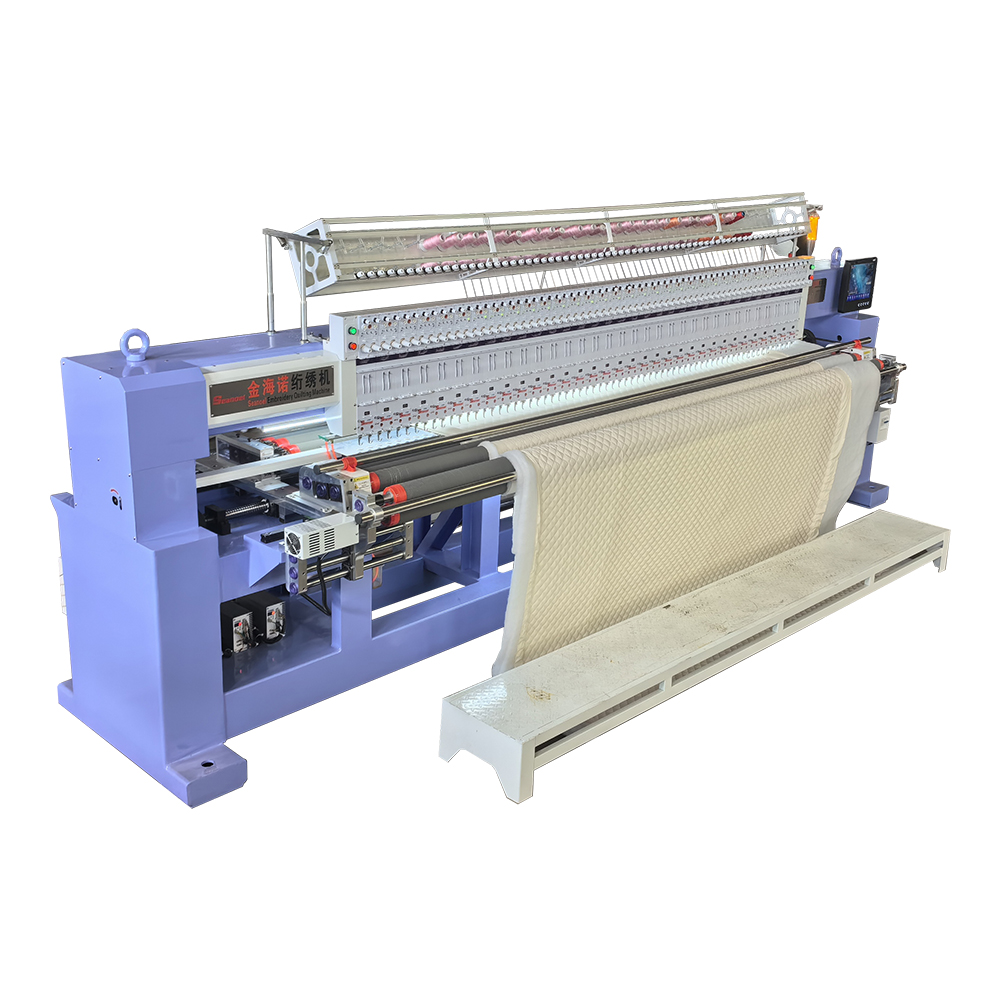
Why Fill Weight Calibration Is Critical for Pillow Machine Performance
In pillow machine operations, fill weight variation directly affects product quality, cost, and retail compliance. According to 2023 manufacturing benchmarks, traditional volumetric filling can drift by 30 g per unit—leading to underfilled pillows that fail firmness tests or overfilled units that waste material. By contrast, well-calibrated gravimetric systems maintain ±1% fill accuracy, 98% batch-to-batch consistency, and reduce raw material waste by up to 17%. Calibration also stabilizes density across diverse fills—down, synthetic fiber, and shredded foam—each of which behaves uniquely under compression, airflow, and static charge. Without precise tare verification and dynamic cutoff control, air entrapment, electrostatic cling, or compression recovery can shift actual fill weight after the filling cycle ends. Retail buyers routinely sample bulk shipments, and underweight SKUs invite chargebacks—or full order rejection. Consistent calibration protects brand uniformity: consumers expect identical loft, support, and feel from the same product. Effective calibration transforms weight control into a repeatable, auditable process that supports throughput, regulatory compliance, and long-term margin. This is why fill weight calibration must be treated as a core performance control—not a routine setup task.
Core Pillows Machine Calibration Principles: Tolerance, Density, and Compliance
A precise pillow machine controls mass, not volume, because material density variance directly changes fill weight. Without compensation, identical hopper and auger settings can deliver different grams per pillow across batches, leading to underfilled or overfilled products.
Understanding material-specific density variance (down, fiber, shredded foam)
Down fill has low bulk density and high loft, so trapped air increases apparent fill level while true mass remains low. Synthetic fiber can bridge or clump; its density shifts with humidity, static charge, and cut length. Shredded foam retains compression memory and rebounds unevenly after metering, creating alternating dense and light pockets. These behaviors alter the grams delivered per auger cycle, so calibration must adjust feed speed, agitation, and cutoff timing to the material in the hopper.
| Material | Typical bulk density | Main calibration challenge |
|---|---|---|
| Down | 10–30 kg/m³ | Air entrapment and post-fill settling |
| Synthetic fiber | 8–20 kg/m³ | Static charge and auger flow inconsistency |
| Shredded foam | 40–80 kg/m³ | Compression hysteresis and drift |
Aligning tolerance bands (±0.5g to ±3g) with pillow class and regulatory standards
Tolerance bands should reflect pillow class, material cost, and regulatory requirements. Premium down pillows often require ±0.5 g to ±1 g because high fill prices and market positioning make small deviations costly. Standard synthetic or shredded foam pillows can tolerate ±2 g to ±3 g due to their inherently greater density variability. A properly calibrated pillow machine uses dynamic cutoff logic: the fill cycle stops only when the measured weight falls within the target band—not after a fixed auger run. This prevents overfill drift, ensures label accuracy under FTC and EU labeling regulations, and reduces raw material waste over long production runs.
Step-by-Step Pillow Machine Calibration Protocol
Pre-calibration essentials: tare verification, environmental control, and scale validation
Precise calibration begins before fill tests are run—because tare drift and unstable room conditions can mimic dosing errors. First, zero the empty fill chamber and confirm a stable 0.00 g reading after the conveyor and vibration feeder stop. Repeat tare checks between material changes, since residual down or shredded foam often clings to load cells. Maintain steady temperature and humidity: a 5°C swing can alter fiber loft and scale response enough to shift fill accuracy by more than ±1 g. Use a calibrated, traceable reference weight to validate the scale across the expected range—ideally at 50 g, 500 g, and 1,500 g—and reject any scale that varies by more than the target tolerance. Record ambient conditions and scale checks so every calibration run is fully repeatable and audit-ready.
PLC-driven adjustments: setting target weight, dynamic feed cutoff, and tolerance logic
Once the scale baseline is stable, configure the Programmable Logic Controller (PLC) settings that govern fill timing and cutoff. Enter the target fill weight specific to the pillow class and material blend—never reuse a single setting across down, fiber, and shredded foam. For dynamic feed cutoff, set the machine to stop feeding slightly before the target is reached, accounting for material still in flight. A typical dynamic offset ranges from 1 g to 4 g depending on auger speed and material density—but verify it empirically by running five consecutive fill cycles. Tolerance logic should mirror the product specification: lighter decorative pillows may allow ±3 g, while premium filled bedding often requires ±0.5 g to ±1 g. Configure the PLC to flag any cycle outside the band and halt the line if two consecutive fills fall outside set limits. Document each parameter change and run a confirmation batch after every adjustment.
Material-Specific Optimization for Your Pillow Machine
Different fill materials require distinct calibration adjustments on the same equipment. The following material-specific practices reduce fill-weight variation and improve product consistency.
Down fill: compensating for loft-induced air entrapment and post-fill settling
Down fill requires treating initial blown weight as provisional. Loft traps air, so an in-cycle scale may read heavier than settled fill. Set the PLC to pause for 15–20 seconds after injection, then pulse a low-pressure air release before final weight confirmation. Recalibrate tare after every 20–30 cycles because residual down clusters accumulate in the blow line. This two-step method reduces overfill on high-loft production runs. For post-fill settling, place a completed pillow on a flat surface and reweigh after 30 minutes; adjust target weight only if the average of five samples drifts beyond ±1.5 g. This preserves loft while meeting fill weight specifications.
Synthetic fiber: mitigating static charge and auger flow inconsistency
Synthetic fiber calibration focuses on static and feed consistency. Static charge causes fibers to cling to the auger and hopper walls, producing intermittent under-dosing. Ground the blow line and install an ionizing bar near the discharge chute. Calibrate the auger speed in small increments—usually 2–3 RPM—because synthetic fibers compress under high feed rates and then flush when the auger stops. Set the dynamic cutoff to trigger 0.2–0.4 seconds earlier than the target weight to account for fiber still in flight. During stability trials, log weight every 10 cycles and adjust the feed factor only when the moving average shifts more than ±1 g. This controls variability without overcorrecting a stable process.
Shredded foam: managing compression hysteresis and recalibration drift
Shredded foam has memory: it compresses during auger transport and slowly recovers after filling. This compression hysteresis means the scale may read low initially, then rise by 2–4 g as the foam rebounds in the pillow. Calibrate with a short post-fill dwell of 10–15 seconds before weight capture. Because foam particles also abrade the auger over time, recalibrate the tare and cutoff thresholds every 500–800 cycles—or whenever foam density changes. Document each shift’s first and last ten weights to detect drift before it affects fill compliance. This practice keeps tolerance bands tight and reduces unplanned recalibration downtime.
FAQs
What is the purpose of fill weight calibration in pillow manufacturing?
Fill weight calibration ensures consistent pillow quality, minimizes material waste, and maintains regulatory compliance by aligning the machine's output with precise weight specifications.
Why is material-specific calibration necessary?
Different materials like down, synthetic fiber, and shredded foam have unique properties that affect their density and behavior during filling. Calibration adjusts for these properties to ensure accuracy and consistency.
How often should tare calibration be performed?
Tare calibration should be performed before fill tests, after material changes, and periodically during production to account for potential drift and ensure accuracy.
What is dynamic feed cutoff, and why is it important?
Dynamic feed cutoff stops the filling process slightly before the target weight is reached, accounting for material in flight and preventing overfill drift.
Does the environment affect pillow machine calibration?
Yes, environmental conditions like temperature and humidity can impact material density and scale accuracy, necessitating stable and controlled conditions for effective calibration.