
 EN
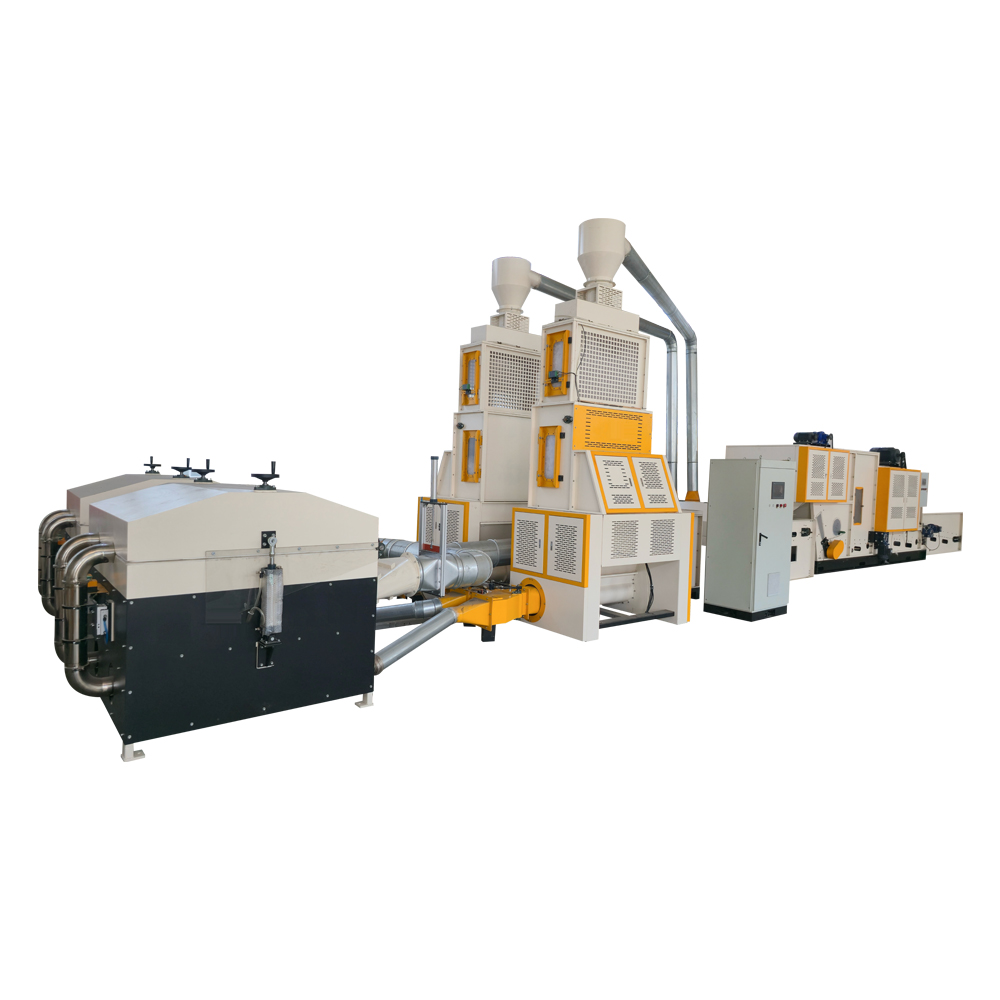
Why Manual Pillow Machines No Longer Meet Modern Production Demands
Manual pillow machines rely on operator-paced filling, weighing, and sealing—creating hard ceilings on throughput, inconsistent fill density, and rising per-unit labor costs. A typical manual station produces just 30–60 pillows per hour per operator, while a modern automated line achieves over 250 pillows per hour with the same labor footprint (2023 production benchmarks). That gap widens as e-commerce demand favors smaller batches and faster changeovers.
Fill consistency is another critical weakness. Without closed-loop feedback, operators estimate weight by feel or conduct infrequent scale checks—leading to density variations of ±8–12% across shifts. Overfilled pillows waste material; underfilled ones fail quality checks, triggering rework and customer returns that erase apparent labor savings.
Material handling compounds these challenges. Fiberfill, feather, and memory foam behave differently during dosing—requiring constant recalibration and subjective judgment in manual systems. Open-fill setups also increase dust and fiber escape, raising housekeeping burdens and regulatory compliance risks. Meanwhile, rising wages and difficulty retaining skilled textile operators further squeeze margins.
While manual machines still serve niche applications—like ultra-low-volume or custom prototyping—they lack the repeatable accuracy, full-process traceability, and 24/7 operational reliability required for scalable bedding production. The result? Longer lead times, hidden cost inflation, and inconsistent product quality—pressures accelerating the shift toward automation.
How Smart Pillow Machine Automation Solves Core Production Challenges
Real-Time Density Control via Load Cells and Closed-Loop Feedback
Smart pillow machines use high-frequency load cells mounted at the filling nozzle to capture fill weight dozens of times per second. A real-time controller compares each reading against the target density and adjusts feed speed, air pressure, or nozzle dwell within milliseconds. This closed-loop system replaces manual sampling—where operators might check only one pillow out of every 50—reducing fill variation to under ±1%, compared with ±5% on manual systems (2024 production benchmarks).
Every fill event is timestamped and logged, enabling full traceability for quality audits. Early drift detection prevents overfilling (material waste) and underfilling (soft spots), preserving both comfort performance and cost control. By eliminating human reaction time, this system sustains consistent loft and firmness across shifts—and stabilizes output during high-speed runs, reducing reliance on downstream inspection.
PLC-Guided Material Adaptation for Feather, Fiberfill, and Memory Foam
A programmable logic controller (PLC) enables seamless switching between feather, fiberfill, and memory foam without mechanical changeovers. Each fill type responds uniquely to air pressure and mechanical stress: feather requires low-speed airflow to prevent damage; fiberfill needs gentle carding and anti-clump tuning; memory foam demands precise shredded-feed timing and compression control.
The PLC stores dedicated recipes for each material. When an operator selects a recipe, the system instantly updates fill speed, blow pressure, and density targets—eliminating manual valve adjustments that cause setup errors and material give-away. Changeover time drops from ~20 minutes on manual lines to under two minutes, cutting trial-run waste and preventing cross-contamination.
Integrated sensor loops monitor back-pressure and feed rate, making real-time micro-adjustments as batch moisture or fiber length varies. As a result, a single automated line can reliably produce premium, medium, and economy pillows—supporting short-run and just-in-time strategies with consistent quality.
Measurable ROI: Efficiency Gains from Upgrading Your Pillow Machine
Upgrading to a modern pillow machine transforms production economics—from labor-intensive, variable output to measurable, repeatable performance. The strongest returns emerge in rework reduction, direct labor optimization, maintenance efficiency, and material yield.
Case Evidence: 42% Rework Reduction and 65% Labor Optimization
A 2023 production audit at a mid-sized bedding manufacturer showed a 42% drop in rework after replacing manual filling stations with sensor-guided pillow machines. The same audit recorded a 65% reduction in direct labor per 1,000 pillows—driven by automated dosing, alignment, and seam verification. Operators shifted from repetitive filling tasks to line supervision and targeted quality sampling.
| Performance metric | Manual line baseline | Upgraded pillow machine result |
|---|---|---|
| Rework rate | Baseline | 42% lower |
| Direct labor per 1,000 units | Baseline | 65% lower |
| Maintenance cost | Baseline | 68% lower |
| Material yield | Baseline | 2.3% higher |
A 2025 industrial equipment analysis confirmed that automated lines cut maintenance costs by up to 68% while increasing throughput. In one case, a 2.3% improvement in material yield delivered approximately $430,000 in annual savings. For pillow manufacturers, these gains mean fewer rejected units, less fiber waste, and faster order fulfillment. Labor optimization isn’t about headcount reduction—it’s strategic redeployment of skilled staff into inspection, changeover management, and quality assurance. The combined impact strengthens unit margins and shortens payback periods.
Future-Ready Pillow Machine Capabilities: Edge AI and Adaptive Intelligence
Edge-enabled controls process fill weight, density, and material behavior locally—avoiding latency and connectivity dependencies inherent in cloud-based systems. Adaptive AI continuously analyzes subtle shifts in vibration, pressure, or thermal signature that precede fill inconsistencies or mechanical wear. Rather than issuing broad alarms, the system pinpoints fault locations—enabling earlier, more precise technician intervention.
This closed-loop learning reduces false positives and refines precision over time. Next-generation platforms may even reconfigure fill sequences autonomously in response to changes in material type or production demand. These capabilities move operations beyond reactive repair toward predictive adjustment—supporting higher throughput, tighter tolerances, and consistently superior product quality.
FAQ
Why are manual pillow machines insufficient for modern production?
Manual machines are limited by low output rates, inconsistent fill density, and higher labor costs. They also lack process traceability and scalability in high-demand or diverse production environments.
What’s the role of closed-loop feedback in pillow automation?
Closed-loop feedback ensures consistent fill density by continuously monitoring fill weight and making real-time adjustments to maintain desired levels, drastically reducing material waste and rework.
How does PLC-guided material adaptation work?
Programmable logic controllers store dedicated recipes for different materials, enabling quick and accurate adjustments to fill parameters like air pressure, speed, and density for each material type.
What are the key ROI metrics for automated pillow machines?
Critical ROI metrics include rework reduction, labor cost savings, increased material yield, and decreased maintenance costs. These improvements enhance long-term profitability and operational efficiency.
How does adaptive AI in pillow machines enhance production?
Adaptive AI monitors real-time data for subtle anomalies, enabling predictive maintenance and optimized production processes, leading to fewer defects and higher operational reliability.