
 EN
EN
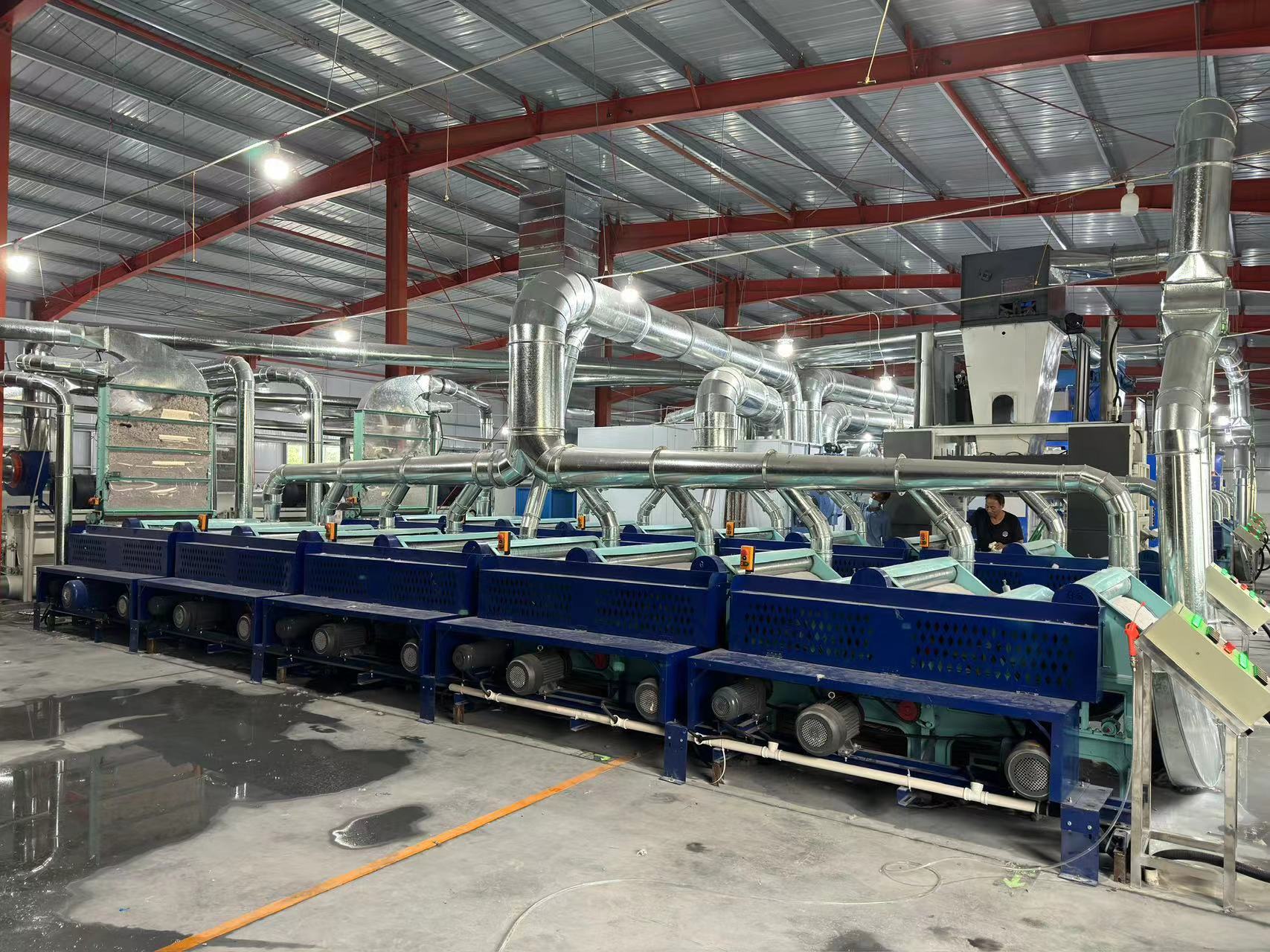
Precision Compression: Ensuring Consistent Mattress Density and Shape
In mattress manufacturing, the final compression step directly influences product longevity and user satisfaction. A mattress packaging machine equipped with intelligent automation eliminates the variability of manual rolling—which often creates inconsistent density spots that accelerate premature sagging. By applying controlled, repeatable force, these systems ensure every unit meets the same structural benchmark, preserving the intended support profile from factory floor to bedroom.
Automated Compression Algorithms for Uniform Density Retention
Modern mattress packaging machines use closed-loop compression algorithms that monitor and adjust force in real time via load cell feedback. This ensures each mattress is rolled to the exact same density across its entire surface. Unlike manual processes—where operator fatigue can introduce up to 15% deviation in compression force—algorithmic control guarantees repeatability. Variable density creates weak points that hasten foam breakdown; precise control of the compression ratio locks in the core’s supportive properties and reduces returns tied to shape loss. The result is consistent post-unboxing recovery—a key quality metric strongly correlated with customer satisfaction and brand reputation.
Material-Adaptive Pressure Controls to Preserve Structural Integrity
Mattress cores respond differently to compression: viscoelastic memory foam, natural latex, and hybrid coil-and-foam designs each require distinct pressure profiles. A mattress packaging machine with material-adaptive controls automatically adjusts force using pre-loaded material profiles and real-time sensor input. Over-compressing high-density foams can rupture cell walls—permanently compromising elasticity and breathability—while under-compressing pocketed coils risks air pockets and uneven expansion. Adaptive systems avoid this damage, preserving engineered firmness and pressure-relieving performance. For B2B buyers, this precision translates into fewer warranty claims and dependable quality consistency—critical for maintaining retail partner confidence.
Hermetic Sealing: Preventing Contamination and Physical Damage
Airtight Vacuum Sealing as a Core Quality Control Barrier
Hermetic vacuum sealing is the first line of defense against contamination. By extracting air and fusing packaging film with precision heat-sealing, automated systems eliminate oxygen and moisture—key contributors to mold, mildew, and material degradation. This barrier also excludes dust, allergens, and insects during warehousing and transit. Unlike manual sealing—where seal integrity varies widely—automated systems apply uniform pressure and temperature, ensuring every unit meets identical protective standards. The outcome is a product that arrives at distributors or retailers in pristine, factory-fresh condition—reducing costly returns and reinforcing the manufacturer’s commitment to quality.
Tamper-Evident and Moisture-Resistant Packaging for B2B Trust
Beyond vacuum integrity, advanced mattress packaging machines integrate tamper-evident closures—such as tear-away strips or void-seal indicators—and multi-layer, high-barrier films (e.g., aluminum-laminated polyethylene) that resist humidity penetration. These features provide visible proof of unbroken chain-of-custody and protect against moisture-induced sagging or core breakdown. Together, they elevate packaging from a logistical step to a verifiable quality assurance tool. B2B partners receive consistently sealed units—minimizing disputes over hidden damage and strengthening long-term confidence in the manufacturer’s quality systems.
Automation vs. Manual Processes: Reducing Variability and Defect Rates
Manual packaging introduces variability at every stage: inconsistent compression, fluctuating seal integrity, and reactive error detection. In contrast, a mattress packaging machine executes each operation with programmed precision—eliminating human inconsistencies that drive defect rates. Automated compression ensures uniform density; hermetic sealing delivers reliable, contamination-free barriers. Where manual workflows yield defect rates of 3–5% due to fatigue and oversight, automated systems sustain rates well below 1%. Real-time monitoring enables immediate correction before defective units progress downstream. For manufacturers, this shift lowers rework and warranty costs—and strengthens B2B trust by delivering products that reliably meet tight specifications. Automation transforms packaging from a cost center into a cornerstone of modern quality control.
End-to-End Quality Assurance: From Factory Floor to Unboxing Experience
How Reliable Mattress Packaging Machine Performance Supports B2B2C Brand Reputation
A reliable mattress packaging machine anchors end-to-end quality assurance—directly shaping the unboxing experience that defines brand perception. When compression and sealing are consistently precise, mattresses arrive at retailers unblemished, retaining their factory-fresh shape and hygiene. This consistency reduces returns and negative reviews—both of which erode B2B trust. According to a 2023 supply chain quality report, brands using automated packaging see a 35% reduction in transit damage claims, significantly boosting partner confidence. For consumers, the unboxing moment is a tactile brand encounter: uniform expansion and clean scent reinforce perceptions of care and craftsmanship. Retailers benefit from seamless fulfillment—no rework or repackaging—ensuring on-time delivery and satisfied customers. Machine uptime and repeatability deliver a predictable supply chain, allowing B2B customers to prioritize growth over defect management. Ultimately, robust mattress packaging equipment safeguards the full journey—from factory floor to living room—turning logistics into a strategic asset for brand loyalty.
FAQ Section
What is a mattress packaging machine?
A mattress packaging machine is an automated system used to compress, seal, and package mattresses. It ensures consistent quality, protects against physical damage and contamination, and enhances the unboxing experience.
Why is automated compression important in mattress packaging?
Automated compression ensures uniform mattress density, reduces premature sagging, and guarantees consistent post-unboxing recovery, which contributes to overall customer satisfaction.
How does hermetic sealing benefit mattress storage and transit?
Hermetic sealing creates an airtight barrier that eliminates oxygen and moisture, preventing mold, mildew, and contamination during warehousing and transit, ensuring mattresses remain factory-fresh.
What are material-adaptive pressure controls?
Material-adaptive pressure controls automatically adjust compression force based on the mattress's material type, preserving structural integrity and engineered firmness.
How does automation reduce defect rates compared to manual processes?
Automation eliminates human inconsistencies by executing tasks with programmed precision, reducing defect rates and ensuring reliable quality standards.