
 EN
EN
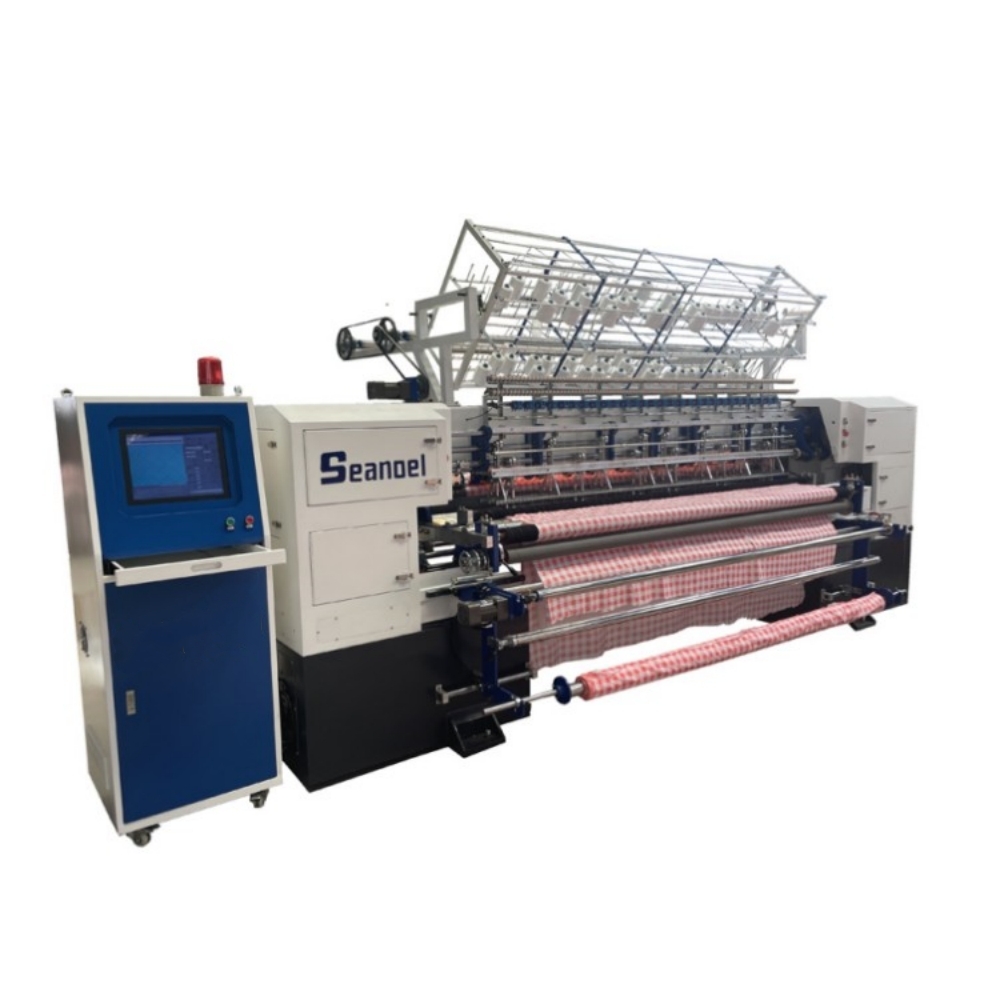
What Is an AI-Driven Mattress Machine?
Core Components: Generative Design, IoT Sensors, and Adaptive Robotics
An AI-driven mattress machine is a cyber-physical system that unifies generative design algorithms, IoT sensor networks, and adaptive robotics into a single intelligent manufacturing cell. Generative design software evaluates thousands of structural configurations—varying foam densities, spring layouts, and layer thicknesses—to determine the optimal balance of support, pressure relief, and durability for a specific sleeper profile. Embedded IoT sensors monitor material tension, humidity, and temperature in real time, feeding live data to the control system. Adaptive robotics then perform precision cutting, contouring, and assembly with sub-millimeter accuracy—dynamically adjusting tool paths and pressure based on sensor input. This closed-loop architecture transforms static production lines into responsive, self-optimizing systems capable of manufacturing personalized mattresses without manual intervention.
How It Differs from Traditional Mattress Manufacturing Equipment
Conventional mattress manufacturing relies on rigid, linear assembly lines built for high-volume, standardized output. Machines are calibrated for fixed dimensions and material stacks; any changeover demands hours of mechanical retooling. In contrast, AI-driven mattress machines operate on a software-defined model: digital recipes replace physical jigs, and product variations are managed through algorithm updates—not hardware swaps. While traditional equipment applies uniform force across all materials, adaptive systems dynamically modulate grip, speed, and pressure based on real-time material properties. The result is a strategic shift from “make to stock” to “make to order”—where even a batch size of one becomes economically viable. Intelligence embedded in the machine eliminates changeover downtime and waste while sustaining mass-production throughput and quality.
From Mass Production to Batch-Size-One: The Mattress Machine Revolution
Digital Twins and Real-Time Iteration in Custom Mattress Design
Every modern mattress machine is paired with a digital twin—a virtual replica continuously updated by sensor data from cutting blades, quilting arms, and lamination rollers. Engineers use this twin to simulate and refine custom orders before physical production begins, adjusting layer densities, coil placements, and foam profiles and instantly visualizing performance outcomes. Once validated, the twin pushes precise parameters directly to the physical machine, eliminating trial runs. With generative AI, the system can propose hundreds of viable material stacks for a given sleeper’s pressure map and iterate until optimal comfort and support metrics are achieved. This closed-loop feedback compresses design-to-production cycles from weeks to hours—shifting the mattress machine from repetitive output to intelligent, on-demand personalization.
Economic Feasibility of One-Off Production Without Margin Erosion
Batch-size-one production was historically unsustainable due to setup costs and waste—but adaptive robotics and AI-driven quality control have redefined the economics. Vision-guided glue dispensers apply adhesive within 0.5 mm accuracy, reducing material waste by up to 25%. Edge computing minimizes reliance on hard tooling changes, enabling a single line to switch between firm innerspring and plush memory foam designs in minutes. Labor costs drop as the machine handles setup autonomously. A 2023 industry benchmark found that automated flexible lines producing individual units achieve gross margins within 2% of high-volume runs. Manufacturers can now offer truly personalized bedding without sacrificing profitability—turning the mattress machine into a competitive differentiator rather than a cost center.
Intelligent Sleep Systems: How Mattress Machines Enable Biometric Adaptation
Embedded Sensors, Edge AI, and Closed-Loop Firmness/Temperature Adjustment
Modern mattress machines integrate non-invasive biometric sensors directly into the sleep surface during manufacturing—tracking heart rate, respiration, and sleep stages without compromising comfort. Edge AI processes this data locally, avoiding cloud latency and privacy risks, and enables real-time closed-loop adjustments. For firmness, AI-controlled air cells or robotic spring tensioners adapt support instantly to the sleeper’s position. Simultaneously, active climate systems leverage phase-change materials and integrated airflow to regulate temperature. Critically, the mattress machine must embed flexible circuits, sensor arrays, and actuators with micron-level precision—without degrading foam integrity or fabric layers. This seamless integration of electronics and pneumatics is only possible because the machine maintains high-precision coordination at production speed. Its ability to position sensors within millimeter tolerances ensures consistent, reliable biometric capture across every unit. Industry data suggests AI-powered temperature regulation can improve deep sleep duration by up to 32% [IFR 2026].
Real-World Impact: Automation, Innovation, and Industry 4.0 Integration
Case Study: Adaptive Foam-Cutting Robotics in Smart Factories
At a leading smart factory, adaptive foam-cutting robots interpret real-time sensor data to automatically adjust blade angles and cutting paths—shifting from static programming to dynamic optimization. Computer vision detects foam density variations, and edge AI modules recalculate optimal cuts within milliseconds. This integration reduces material waste by 18% and increases throughput by 25% [IFR 2023]. The line switches between custom shapes without downtime, enabling true batch-size-one manufacturing. Operators monitor operations via digital twins and receive predictive maintenance alerts—replacing reactive repairs with proactive oversight. This case exemplifies how Industry 4.0 principles translate into measurable gains in precision, agility, and operational resilience.
Generative AI for Material Simulation and Layer Architecture Optimization
Generative AI models now simulate thousands of mattress layer configurations—foam densities, coil counts, gel-infused zones—to predict comfort, durability, and thermal performance before prototyping. These algorithms analyze compression stress and body heat distribution, proposing architectures that maximize support while minimizing material use. For one top-tier manufacturer, the approach cut physical prototyping cycles by 40% and identified a hybrid latex–memory foam stack that outperformed both materials individually in cooling tests. Simulation results feed directly into the mattress machine’s design software, triggering automatic recipe adjustments to ensure each unit meets precise biomechanical targets. This closed-loop refinement accelerates R&D, supports zero-waste goals, and anchors innovation in empirical, production-ready insights.
FAQ Section
What is an AI-driven mattress machine?
An AI-driven mattress machine is an intelligent manufacturing system that combines generative design, IoT sensors, and adaptive robotics to create personalized mattresses while optimizing production efficiency.
How does it differ from traditional mattress manufacturing equipment?
Unlike traditional equipment requiring manual adjustments for product variations, AI-driven machines use digital recipes and real-time sensor feedback to achieve dynamic adaptation without downtime or waste.
What are digital twins in mattress production?
Digital twins are virtual replicas of physical mattress machines. They get live updates from production machines to refine custom orders and optimize the manufacturing process before actual production begins.
Can mattress machines provide truly personalized bedding?
Yes, AI-enabled mattress machines can produce one-off, personalized mattresses tailored to individual biometric data without eroding profit margins.
How do AI-enabled mattresses enhance sleep quality?
Embedded sensors and edge AI adapt mattress firmness, temperature, and support in real-time, improving sleep metrics such as deep sleep duration.