
 EN
EN
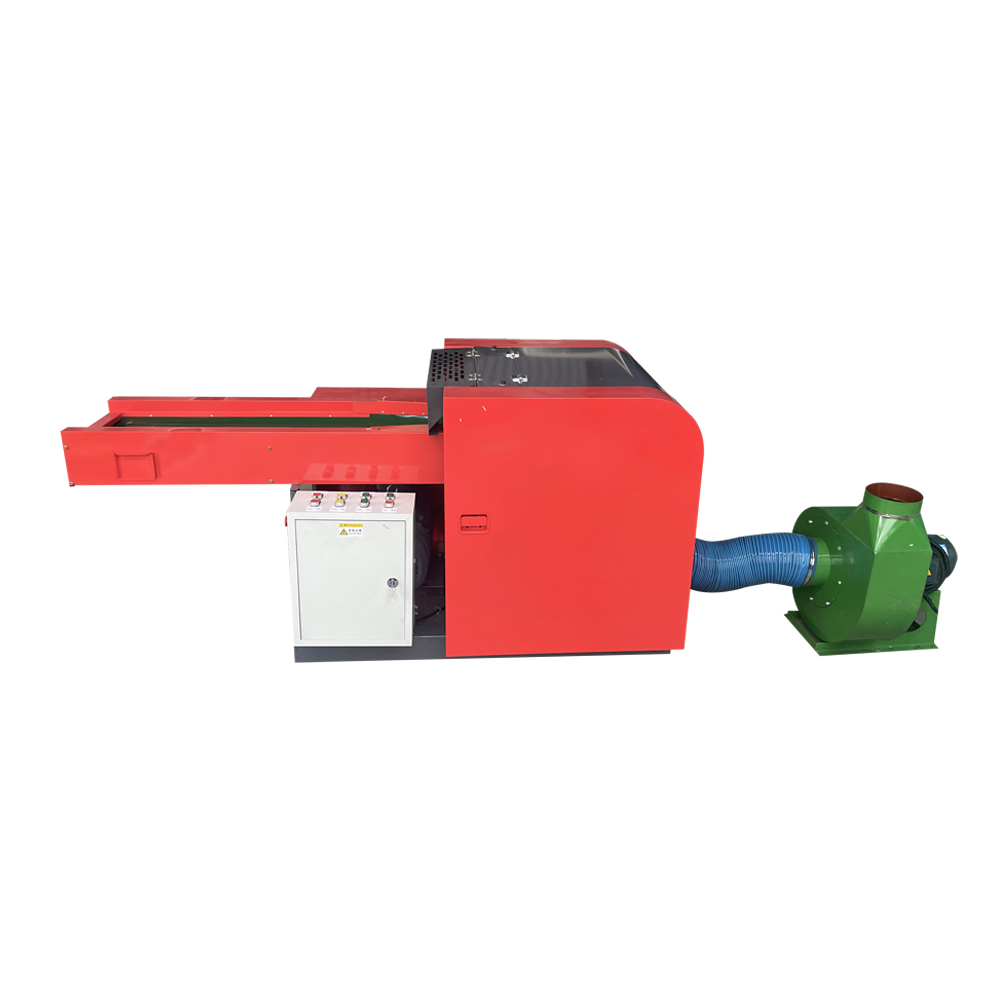
How Foam Shredding Machines Work: Mechanics, Material Response, and Design Logic
Core shredding mechanics: shear, impact, and compression in foam size reduction
Foam shredding machines reduce bulk material through three primary mechanical actions: shear, impact, and compression. Rotating blades or knives generate shear force to slice open foam cells; high-speed hammers or teeth deliver impact energy to fracture brittle foams; and compression rollers crush resilient or low-density foams into manageable fragments. These mechanisms rarely act in isolation—shear often initiates size reduction, impact breaks the core structure, and compression refines particle uniformity. Operators adjust rotor speed and blade clearance to align with foam density and elasticity: slower, high-torque settings optimize shear for flexible foams like EPE, while faster, impact-focused configurations suit brittle EPS. The resulting shred—typically 1–2 inches—supports downstream densification or reprocessing. Proper calibration prevents excessive fines, heat buildup, and inconsistent output.
Foam material behavior matters: why EPS, EPE, and PU require tailored rotor geometry and speed profiles
EPS, EPE, and PU foams respond fundamentally differently to mechanical stress, demanding distinct shredder configurations. EPS is lightweight and brittle, fracturing cleanly under high-speed impact rotors with sharp, aggressive teeth—excessive shear or slow speeds risk oversized flakes. EPE’s elasticity and resilience make it prone to wrapping around shafts; it requires slower, shear-dominant rotors with hooked or serrated blades that grip and cut without tangling. PU foam—often denser and more elastic—performs best with compression-cut designs or hybrid geometries that minimize tearing and maintain chunk uniformity. Mismatched settings cause operational issues: high-speed impact on EPE leads to gumming; shear-only treatment of EPS yields irregular flakes; and insufficient torque on PU causes wrapping and thermal overload. Tailoring rotor profile and speed to foam type directly improves throughput, particle consistency, and equipment longevity.
Selecting the Right Foam Shredding Machine for Your Recycling Operation
The effectiveness of a foam shredding machine hinges on matching its design to your material stream and operational goals. Density, resilience, and inbound volume variability—not just nominal capacity—dictate required throughput, cutting mechanism, and system integration.
Matching machine capacity (kg/hr) to foam type, density, and inbound volume variability
Rated capacity is highly material-dependent. Lightweight, brittle EPS shreds efficiently at 300–500 kg/hr per meter of rotor width, while dense, elastic PU—common in furniture cushions—typically processes at just 100–200 kg/hr on identical hardware. PE foam falls between them but shares EPE’s tendency toward wrapping if not properly configured. A machine rated for 400 kg/hr of EPS may only sustain 150 kg/hr of PU. Therefore, sizing must reflect your most demanding feedstock—not an average. If your inbound mix includes 30% EPS, 50% PU, and 20% PE, design for PU’s lower throughput and higher torque requirements. Oversizing based on the densest material prevents chronic jams, thermal overload, and unplanned downtime during peak volumes.
Single-shaft vs. dual-shaft vs. granulator: functional trade-offs for sorting, densification, and downstream compatibility
Cutting architecture determines particle uniformity, throughput, and compatibility with downstream processes. Single-shaft shredders use a hydraulic ram to push foam against a rotor with adjustable blades, producing consistent, medium-coarse output ideal for baling or direct densification. They handle mixed foam streams efficiently and offer strong energy efficiency for moderate-volume operations. Dual-shaft shredders feature counter-rotating hooked blades that rip apart bulky items—like packaging blocks or cushion assemblies—without a ram, excelling in high-throughput pre-shredding. However, their output is less uniform and may require secondary sorting. Granulators serve as finishing units, reducing pre-shredded foam to fine, consistent particles (10–20 mm) suitable for extrusion or chemical recycling. For densification into logs or bricks, a single-shaft shredder often suffices. For extrusion-grade feedstock, pairing a dual-shaft pre-shredder with a granulator delivers optimal particle control and system reliability.
Safe and Efficient Foam Shredding Machine Operation
Pre-start verification: blade clearance, feed integrity, and emergency system responsiveness
Before each shift, verify blade clearance using a feeler gauge—deviations from the manufacturer’s specification for your foam type compromise shred quality and accelerate wear. Too-wide gaps leave uncut chunks; too-narrow gaps increase friction, heat, and blade damage. Inspect the hopper and chamber for foreign objects—metal, wood, or rigid plastic—that could shatter on impact or damage cutters. Finally, test the emergency stop circuit and all interlocked safety guards: press the stop button and confirm rotor halts within the OEM-specified response time. This verification ensures immediate shutdown if personnel or obstructions enter the danger zone.
Feeding best practices: preventing bridging, thermal overload, and inconsistent shred size through controlled throughput
Feed foam steadily and metered—not in large batches. Overloading causes bridging: a stable arch forms above the rotor, blocking flow and forcing manual intervention that risks injury and downtime. To prevent thermal overload, match feed rate to motor capacity; monitor ammeter readings or torque limiters—if current spikes, reduce infeed immediately. Maintain consistent layer depth across the rotor face to ensure uniform bite and shred size; light or erratic feeds cause skipping and oversized pieces. For bulky EPS or EPE sheets, pre-break them into smaller sections before feeding. This promotes consistent rotor engagement, extends blade life, and avoids sudden surges that trip motor protection systems.
Maintaining Performance and Safety: Routine Care for Foam Shredding Machines
Regular maintenance sustains both throughput efficiency and operator safety. Begin each day with a visual inspection of the cutting chamber for foam residue buildup or visible blade dullness—dull blades degrade shred consistency and increase motor load, raising energy use and thermal risk. Sharpen or replace blades per the OEM schedule, typically every 100–200 operating hours. Clean the machine thoroughly after each shift: compressed air removes insulating foam dust from vents, electrical panels, and cooling fins—preventing short circuits and fire hazards. Lubricate bearings, drive chains, and other moving parts using only OEM-approved shredder oil; general-purpose lubricants degrade under high shear and may compromise performance. Conduct a weekly functional check of emergency stops, safety interlocks, and blade clearance. Maintain a detailed log tracking blade replacements, vibration anomalies, and repairs—this enables trend analysis and proactive component replacement. Integrating these habits extends equipment life, maintains regulatory compliance, and reinforces a culture of operational discipline.
FAQ
Q1: What are the main mechanical processes involved in foam shredding?
A: Foam shredding involves shear, impact, and compression mechanics to break down foam material effectively.
Q2: How do EPS, EPE, and PU foams differ in shredding behavior?
A: EPS fractures cleanly under high-speed impact, EPE requires shear-focused rotors to prevent wrapping, and PU benefits from compression-cut designs for uniform chunks.
Q3: How should I select the right foam shredding machine for my operation?
A: Match machine design to the foam material type, density, and inbound volume variability to ensure effective throughput and compatibility with downstream processes.
Q4: What are the differences between single-shaft and dual-shaft shredders?
A: Single-shaft shredders focus on consistent medium-coarse output while dual-shaft shredders provide high-throughput pre-shredding but require secondary sorting.
Q5: What feeding practices should I follow to prevent operational issues?
A: Steady, metered feeding prevents bridging, thermal overload, and inconsistent shred sizes while extending equipment lifespan.