
 EN
EN
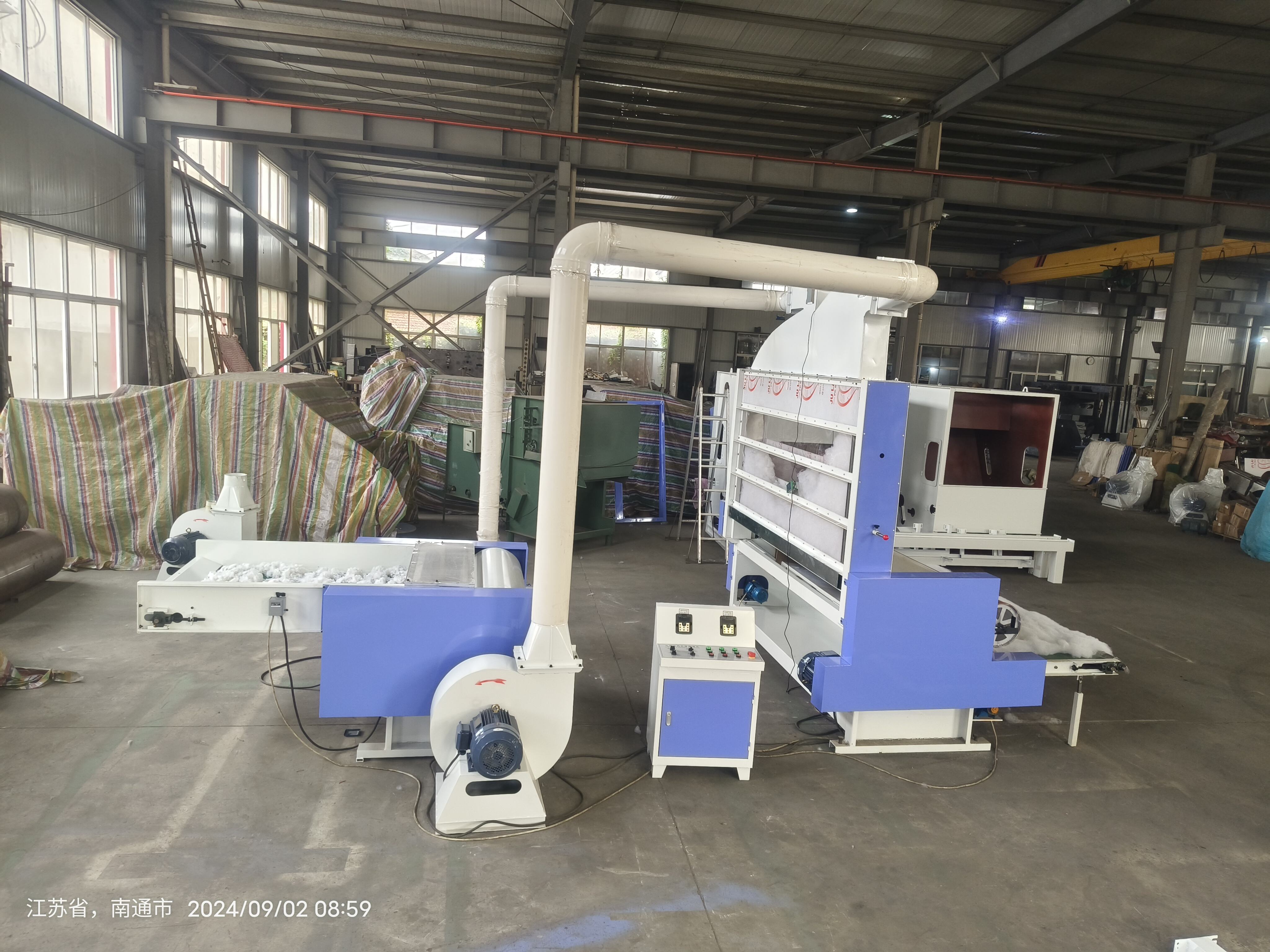
Основные принципы работы машины для производства полиэфирного ватина
Раскрытие волокон, чесание и формирование нетканого полотна: обеспечение однородности и стабильности
Процесс начинается с раскрытия волокон, при котором сжатые прессованные тюки полиэфирного волокна механически разделяются на отдельные волокна. Современная машина для производства полиэстерного ватина использует вращающиеся ролики, оснащённые металлическими проволочками или зубьями пилы, для разрушения комков без повреждения длины волокон. Открытые волокна затем поступают в раздел кардирования, где основной цилиндр, покрытый тонкой проволочной обивкой, выравнивает их в параллельную ориентацию — удаляя короткие волокна и узелки для получения однородного тонкого полотна. Несколько проходов кардирования или каскадные блоки дополнительно повышают равномерность. Полученный флис укладывается слоями на конвейер под контролируемым воздушным всасыванием для обеспечения стабильной массы на квадратный метр. Без точного открывания и кардирования теплоизоляционный материал будет иметь слабые места и нестабильные теплотехнические характеристики. Достижение значений коэффициента вариации (CV%) ниже 3 % для распределения массы полотна стало сегодня эталоном премиальных материалов.
Механизмы термоскрепления: использование волокон с низкой температурой плавления для обеспечения структурной целостности без растворителей
После формирования волокнистая сетка подвергается термическому скреплению для придания ей структурной целостности. В машине используются низкотемпературные бикомпонентные волокна — как правило, с полиэфирным сердечником и оболочкой из сополиэфира — которые интегрируются в волокнистую сетку. При прохождении через калиброванную печь горячего воздуха оболочка плавится при более низкой температуре, тогда как сердечник остаётся нетронутым. Этот процесс, не требующий растворителей, исключает применение химических связующих и связанных с ними летучих органических соединений (ЛОС). Расплавленная оболочка обволакивает соседние волокна, образуя прочные точки сплавления при охлаждении. Контроль температуры в пределах ±2 °C по всей ширине печи обеспечивает равномерное скрепление без обугливания. В результате получается упругая, открытая структура, сохраняющая объёмность при одновременном обеспечении механической прочности; производители могут регулировать жёсткость или мягкость материала путём изменения плотности точек скрепления в зависимости от конкретного конечного применения.
Измеримые улучшения ключевых показателей эффективности теплоизоляции
Сохранение объёмности и упругости: данные по стандарту ISO 9073-11, сравнение методов обработки на станке и ручного способа
Автоматизированные машины для производства полиэфирного утеплителя значительно повышают сохранение высоты волокнистого слоя — ключевого фактора, определяющего долгосрочные теплотехнические характеристики. Согласно испытаниям по стандарту ISO 9073-11, утеплитель, произведённый на машинах, демонстрирует на 30–40 % лучшее восстановление толщины после многократных циклов сжатия по сравнению с ручным способом сборки. Такая устойчивость обусловлена равномерным распределением волокон, точной термической склейкой и оптимизированной ориентацией волокон — все эти факторы препятствуют необратимой деформации. В условиях повышенной влажности машинный утеплитель сохраняет более 85 % исходной высоты волокнистого слоя после ускоренного старения, моделирующего пятилетний срок эксплуатации; при ручном способе производства показатели в тех же испытаниях обычно снижаются до 60–70 %. Данное количественно подтверждённое преимущество напрямую увеличивает срок службы изделия и снижает частоту его замены.
Стабильность теплового сопротивления (коэффициента R) при циклическом сжатии
Согласованность значения R определяет реальную эффективность теплоизоляции. Машины для производства полиэстерного утеплителя обеспечивают превосходную стабильность за счёт контролируемого формирования слоёв и мониторинга толщины в реальном времени, устраняя колебания плотности, неизбежные при ручной сборке. Согласно стандарту ASTM C518, утеплитель, произведённый на машинах, демонстрирует отклонение значения R не более 5 % после многократных циклов сжатия на 50 % — по сравнению с историческими колебаниями в 15–20 % при традиционном производстве. Такая точность гарантирует предсказуемую тепловую эффективность по всей партии продукции и устраняет «холодные зоны» в строительных ограждающих конструкциях или одежде. Благодаря динамической корректировке интенсивности термоскрепления для компенсации различий между партиями волокна современные машины постоянно соответствуют заданным теплотехническим параметрам — исключая неопределённость при монтаже и подтверждении соответствия.
Функции оптимизации процесса, присущие исключительно современным машинам для производства полиэстерного утеплителя
Точная калибровка печи горячего воздуха и многосекционное термическое управление
Современные машины для производства полиэфирного утеплителя используют передовые системы терморегулирования для оптимизации качества склеивания и энергоэффективности. Точная калибровка печи горячего воздуха поддерживает температурные профили в пределах ±2 °C по всей ширине конвейера — обеспечивая равномерное сплавление волокон независимо от плотности полотна. Многозонный термоконтроль разделяет печь на независимо регулируемые секции, что позволяет осуществлять постепенное отверждение толстых матов (предотвращая перегрев поверхности), быстрый нагрев при работе с лёгкими материалами (сокращая цикл обработки на 25 %) и рекуперативный теплообмен, при котором 85 % тепловой энергии выхлопных газов возвращается в систему — подтверждено стандартом ISO 50001. Такой детальный контроль минимизирует деградацию волокон и обеспечивает отклонение теплового сопротивления не более 5 % в пределах производственных партий по сравнению с ±15 % в однозонных системах. Оптимизированные температурные профили также снижают расход низкоплавких волокон на 18 % без потери прочности на разрыв.
| Контрольный параметр | Традиционная машина | Современная многозонная | Листа из сплава Inconel X 750. |
|---|---|---|---|
| Стабильность температуры | ±8°C | ±2 °C | снижение на 75% |
| Восстановлению энергии | <40% | 85% | увеличение на 112 % |
| Стабильность значения R | ±15% | ≤5% | снижение на 66% |
Преимущества на стадии downstream: автоматическая продольная резка, формирование многослойных конструкций и адаптация под конкретные области применения
Многослойная конструкция для точной настройки теплосопротивления (R-значения) в одежде и теплоизоляционных материалах для зданий
Современные машины для производства полиэфирного ватина повышают эффективность последующих производственных операций за счёт полностью автоматизированных процессов продольной резки и формирования слоёв. Эти возможности позволяют точно регулировать толщину и плотность материала для выполнения строгих требований к теплозащитным характеристикам — будь то утеплитель для одежды с высокой объёмностью или строительные маты конструкционного назначения. Комбинируя слои с различным волоконным составом, производители достигают целевой настройки термического сопротивления (R-значения) без избыточного расхода материала. Градиентные профили — при которых зоны повышенной плотности совмещаются с участками, требующими максимальной теплозащиты — формируются стабильно и воспроизводимо, обеспечивая неизменность R-значения при сжатии в соответствии со стандартами ASTM C518 (строительство) и EN 342 (одежда для холодной погоды). Устранение ошибок ручной укладки снижает разброс теплозащитных характеристик на 23 %, согласно последним отраслевым показателям, что позволяет производителям разрабатывать решения, адаптированные под конкретный климат и вид деятельности, без снижения производительности линии.
Часто задаваемые вопросы (FAQ)
Что такое раскрытие волокна в машинах для производства полиэфирного ватина?
Раскрытие волокна — это начальный этап, на котором сжатые прессованные тюки полиэстера механически разделяются на отдельные волокна без повреждения их длины, что подготавливает их к чесанию и формированию волокнистого слоя.
Что такое низкотемпературные бикомпонентные волокна и почему они важны?
Низкотемпературные бикомпонентные волокна состоят из полиэфирного сердечника и оболочки из сополиэфира, которая плавится при более низкой температуре. Они обеспечивают процесс скрепления без использования растворителей, формируя прочные точки сплавления и повышая структурную целостность.
Как современные станки обеспечивают постоянство значения коэффициента теплосопротивления (R-value)?
Современные станки используют мониторинг толщины в реальном времени и контролируемое формирование слоёв для минимизации колебаний плотности и обеспечения предсказуемых теплоизоляционных характеристик во всех партиях.
Какие преимущества даёт многосекционное термическое управление?
Многосекционное термическое управление обеспечивает точное и постепенное отверждение для толстых матов, быстрый нагрев для лёгких изделий, а также рекуперацию энергии, что сводит к минимуму деградацию волокон и улучшает качество скрепления.
Как автоматизированное формирование слоев выгодно для производителей?
Автоматизированное формирование слоев устраняет ошибки, связанные с ручной укладкой, обеспечивая стабильность значения термического сопротивления (R-value) и позволяя разрабатывать решения, адаптированные под конкретные сферы применения — например, для одежды или теплоизоляции зданий.
Содержание
- Основные принципы работы машины для производства полиэфирного ватина
- Измеримые улучшения ключевых показателей эффективности теплоизоляции
- Функции оптимизации процесса, присущие исключительно современным машинам для производства полиэстерного утеплителя
- Преимущества на стадии downstream: автоматическая продольная резка, формирование многослойных конструкций и адаптация под конкретные области применения
-
Часто задаваемые вопросы (FAQ)
- Что такое раскрытие волокна в машинах для производства полиэфирного ватина?
- Что такое низкотемпературные бикомпонентные волокна и почему они важны?
- Как современные станки обеспечивают постоянство значения коэффициента теплосопротивления (R-value)?
- Какие преимущества даёт многосекционное термическое управление?
- Как автоматизированное формирование слоев выгодно для производителей?