
 EN
EN
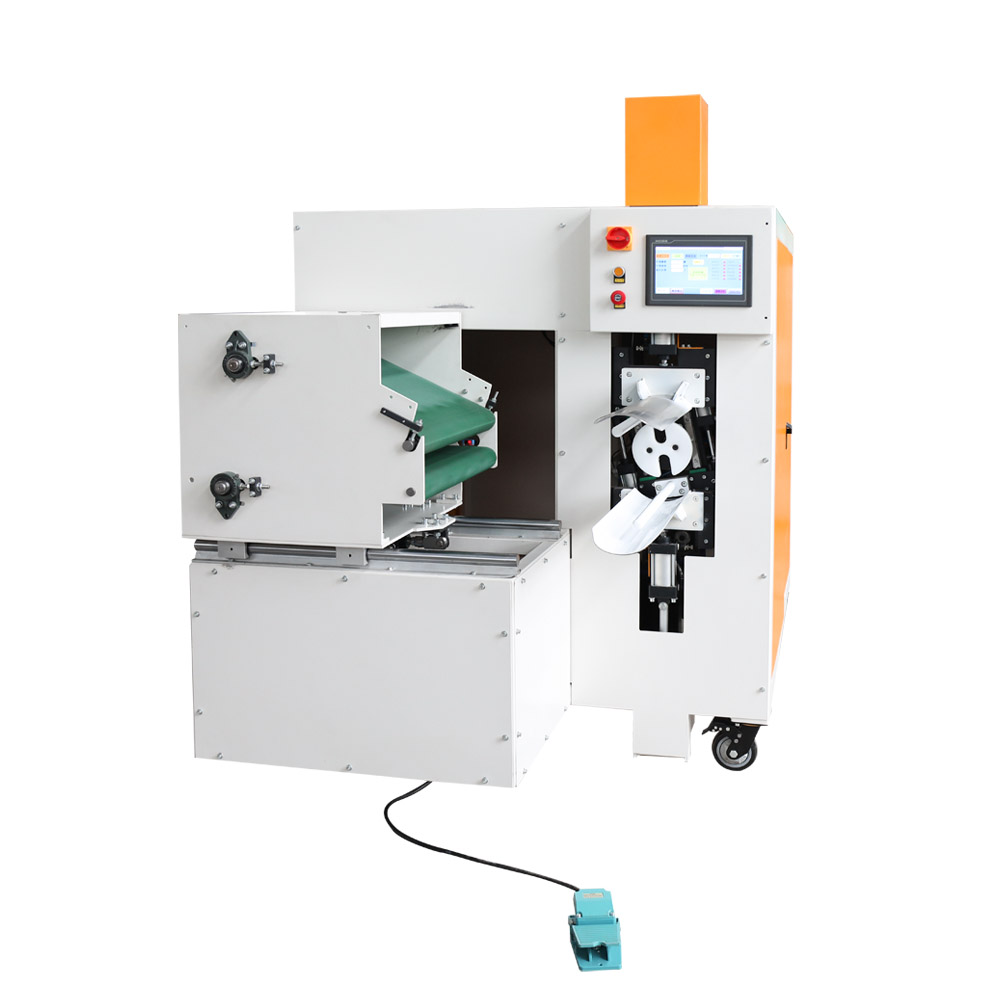
AI-Powered Predictive Maintenance for Reliable Comforter Machine Operation
How predictive analytics cut unplanned downtime by 42% across comforter machine fleets
Predictive analytics transforms comforter machine maintenance by analyzing real-time sensor data from critical components—needle bars, feed rollers, and heating elements—to detect subtle anomalies long before failure. Machine learning models trained on historical breakdown patterns identify early warning signs, such as rising vibration in quilting heads or temperature drift in filling chambers. This enables targeted interventions during scheduled pauses rather than emergency stoppages.
A 2023 industry report from the Smart Manufacturing Institute found that comforter machine fleets using predictive analytics reduced unplanned downtime by 42%, directly boosting overall equipment effectiveness (OEE). The approach relies on IoT sensors and edge computing to stream data into cloud-based analytics platforms, which continuously refine predictions through model retraining—adapting to each machine’s unique wear profile. The result is fewer costly interruptions, lower repair expenses, and extended service life for high-volume production lines. By shifting from reactive to predictive maintenance, manufacturers ensure consistent output quality and meet tight delivery schedules without compromising reliability.
Autonomous maintenance scheduling via agentic AI tailored to comforter machine workflows
Agentic AI elevates maintenance scheduling by enabling autonomous decision-making aligned with the distinct operational rhythms of comforter machines. Instead of fixed calendar intervals or manual inputs, AI agents analyze real-time equipment health, live production orders, and material-specific requirements—such as down versus synthetic fill—to determine the optimal timing for each task. The system can automatically reserve technician time, trigger spare-part orders for a degrading stitching head, and reschedule work if a high-priority customer order emerges.
This eliminates delays and human error common in manual planning. A 2024 survey by Automation World found that plants using agentic AI for maintenance scheduling improved technician productivity by 30%, largely by preventing conflicting resource assignments. Crucially, the AI understands domain-specific constraints: a bobbin tension adjustment must occur before fabric runs, and fill blower inspections align best with material changeovers. As it learns from outcomes, the agent continuously refines its timing—reducing throughput loss and ensuring maintenance happens precisely when needed, never prematurely or too late.
Software-Defined Control and Virtual PLCs for Flexible Comforter Machine Lines
Rapid reconfiguration of quilting, layering, and stitching sequences using open automation platforms
Software-defined control and virtual PLCs (vPLCs) decouple automation logic from proprietary hardware—enabling rapid, software-driven reconfiguration of quilting, layering, and stitching sequences. For example, switching from box-stitch to channel-quilt patterns now requires only a software command, eliminating physical rewiring and cutting changeover times from hours to minutes. A single line can therefore produce multiple comforter styles without mechanical adjustments.
vPLCs run on standard industrial servers, supporting centralized management and quick deployment of updated control routines. Logic can be tested virtually before rollout—ensuring seamless transitions and simplifying troubleshooting. Open standards like IEC 61499 guarantee interoperability across vendor equipment, while the software-defined architecture supports continuous refinement of sequences to optimize fiber distribution and stitch consistency. Ultimately, this flexibility lowers total cost of ownership and accelerates time-to-market for new comforter designs.
Digital Twin–Enabled Design and Commissioning of Comforter Machine Production Lines
Digital twin technology reshapes how manufacturers design, test, and commission comforter machine production lines. By creating a virtual replica—including mechanical, electrical, and automation subsystems—engineers validate performance long before physical installation begins. This reduces costly rework, shortens project timelines, and ensures every quilting, layering, and stitching sequence functions as intended.
Virtual validation accelerating line ramp-up by 30%—from digital twin to live comforter machine operation
Virtual commissioning allows teams to simulate the full behavior of a comforter machine line in a risk-free environment—testing control logic, sensor feedback, and actuator responses without waiting for hardware. Industry benchmarks show this method reduces line ramp-up time by up to 30% compared to traditional physical commissioning. Early detection of integration issues—such as timing mismatches between filling stations and quilting heads—lets engineers resolve problems before they cause floor-level delays. Once built, validated software and control programs transfer directly to the live line, slashing installation and debug time. Parallel development of mechanical and automation systems removes sequential bottlenecks typical in custom machine projects—delivering faster, more predictable paths from design to full-scale production.
Remote operator training and failure-mode stress-testing in the industrial metaverse
Digital twins extend beyond engineering into immersive operator training and safety validation. In the industrial metaverse—a fully interactive virtual environment—operators practice startup sequences, material changeovers, and emergency shutdowns with zero risk to personnel or equipment. Trainers can inject realistic failure modes—including needle breaks, tension loss, or fill clumping—to evaluate both system response and operator decision-making under pressure.
This approach prepares staff for rare but critical events while reducing reliance on costly on-site training during physical commissioning. Sessions are repeatable at low marginal cost, accelerating competence development. As the live line feeds real-time data back into the twin, the training environment stays current—making it a permanent, adaptive lab for maintaining skills and reinforcing safety protocols.
Computer Vision–Based Quality Assurance for Precision Comforter Manufacturing
Real-time detection of stitch density variance, fiber clumping, and fill distribution defects
Computer vision systems enable pixel-level, real-time inspection across quilting, filling, and finishing stages. High-resolution cameras capture images of every comforter, while advanced algorithms instantly assess stitch density variance—ensuring uniform seam spacing that prevents puckering or weak joints. Simultaneously, the system detects fiber clumping and evaluates fill distribution against a digital reference pattern, flagging over- or under-filled areas before they become functional defects.
This automated inspection replaces inconsistent manual spot-checks and catches subtle inconsistencies humans routinely miss. When a defect is identified, operators can adjust machine parameters immediately—minimizing material waste and rework. The outcome is consistently high-quality output and measurable gains in line efficiency and yield.
Frequently Asked Questions (FAQ)
What is predictive analytics in comforter machine operations?
Predictive analytics uses real-time sensor data and machine learning to detect potential issues in comforter machine components early, preventing unplanned downtime and costly repairs.
How does agentic AI improve comforter machine maintenance?
Agentic AI autonomously schedules maintenance tasks based on analysis of real-time equipment health, production orders, and material requirements, reducing human error and boosting technician productivity.
What is the role of software-defined control in comforter manufacturing?
Software-defined control allows for quick reconfiguration of quilting and stitching sequences using virtual PLCs, significantly reducing changeover times and enabling flexible production.
How do digital twins benefit comforter machine production?
Digital twins enable virtual testing and commissioning of production lines, accelerating design processes, reducing rework, and aiding operator training through simulations in a risk-free environment.
What is computer vision's purpose in quality assurance?
Computer vision systems automate defect detection, ensuring consistent stitch density, proper fiber distribution, and overall high-quality output in comforter production lines.
Table of Contents
- AI-Powered Predictive Maintenance for Reliable Comforter Machine Operation
- Software-Defined Control and Virtual PLCs for Flexible Comforter Machine Lines
- Digital Twin–Enabled Design and Commissioning of Comforter Machine Production Lines
- Computer Vision–Based Quality Assurance for Precision Comforter Manufacturing
-
Frequently Asked Questions (FAQ)
- What is predictive analytics in comforter machine operations?
- How does agentic AI improve comforter machine maintenance?
- What is the role of software-defined control in comforter manufacturing?
- How do digital twins benefit comforter machine production?
- What is computer vision's purpose in quality assurance?