
 EN
EN
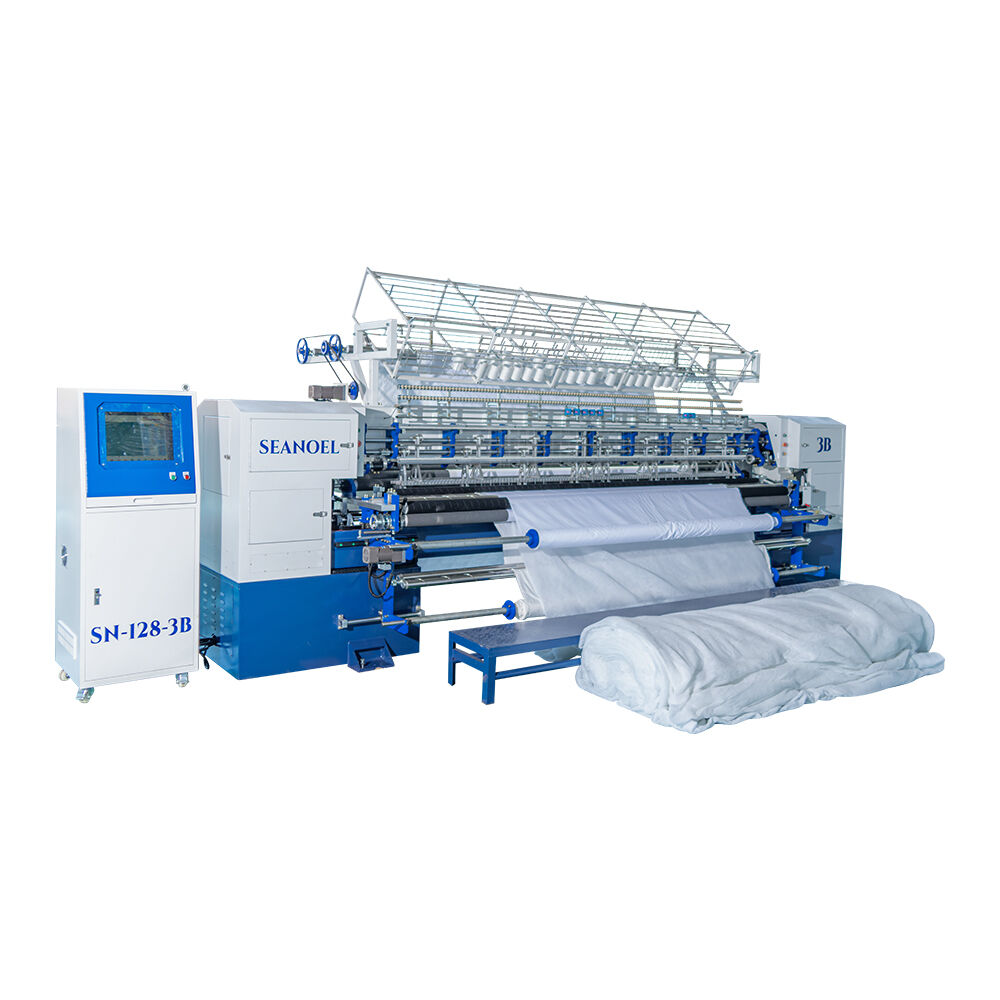
كيف تُمكِّن آلات تطريز الأقمشة من تحقيق دقة غير مسبوقة في التصميم
التعرف على الأقمشة والتحكم التكيُّفي في الغرز المدعومان بالذكاء الاصطناعي
حديث آلات تطريز الأقمشة دمج أنظمة رؤية مدعومة بالذكاء الاصطناعي التي تفحص أسطح الأقمشة بدقة عالية، وتُحدِّد اتجاه الحبكة وسلوك المطاطية والعُيوب السطحية في الوقت الفعلي. وتتيح هذه القدرات الذكية التعديل التلقائي الديناميكي لطول الغرزة والشد وسرعة التغذية—مما يحسّن الأداء عبر مواد متنوعة: مثل الحرير الرقيق (الذي يتطلب ٨–١٢ غرزةً في الإنش) والأقمشة الكثيفة المستخدمة في تنجيد الأثاث (التي تحتاج فقط إلى ٤–٦ غرز في الإنش). وعلى عكس الآلات التقليدية التي تتطلب إعادة ضبط يدوية لكل تغيير في نوع القماش، فإن هذه الأنظمة التكيفية تحقق اتساقًا بنسبة ٩٦٪ في طول الغرز عبر مختلف أنواع المواد، وفقًا لتقرير أتمتة النسيج لعام ٢٠٢٤ تقرير أتمتة النسيج . وتمنع الحلقة المغلقة للبيانات التغذوية بين أجهزة الاستشعار البصرية وآليات الغرز العيوب الشائعة—مثل التموجات على الأقمشة المحبوكة أو تخطي الغرز على الأقمشة ذات النسيج الضيق جدًّا—مما يجعل أنماط الت quilting المعقدة متعددة الخطوات دقيقةً وموثوقةً بدلًا من كونها عرضةً للأخطاء.
معالجة الطبقات المتعددة وإدارة الشد الذكية
تتفوق آلات تطريز الأقمشة المتطورة على التحديات التقليدية المرتبطة بتراكب الطبقات بفضل أنظمة التغذية المتزامنة والخاضعة للتحكم المستقل، والتي تُدار بواسطة محركات سيرفو— واحدة لكل طبقة من طبقات القماش. ويؤدي هذا إلى القضاء على انزياح الطبقات أثناء تنفيذ الأنماط المعقدة، وهي ميزة بالغة الأهمية عند التعامل مع «سندويشات» الكويلتين المكوَّنة من ٣ إلى ٧ طبقات. وتراقب أجهزة استشعار التوتر المدمجة إجهاد الخيط ٢٠٠٠ مرة في الثانية، وتحوِّل هذه البيانات ديناميكيًّا إلى موازنة دقيقة لضغط الخيط العلوي وخريط الخيط السفلي وضغط قدم الإبرة، مما يضمن تشكُّل الغرز بشكل متجانس عبر المناطق ذات السماكات المتغيرة. وفقًا لـ مجلة الهندسة النسيجية (٢٠٢٣)، فإن هذه الأتمتة تقضي على عمليات ضبط التوتر اليدوية التي تُعدّ سببًا في ٣٧٪ من تأخيرات الإنتاج في عمليات التطريز التجارية. ويتعدى تطور النظام حدود التحكم في الغرز الأساسية ليشمل تقنيات متخصصة مثل تطريز «التراپونتو»، حيث يرفع تلقائيًّا كثافة الغرز في المناطق البارزة مع الحفاظ على توتر أساسي ثابت عبر الأجزاء المسطحة— ما يمكِّن من تحقيق دقة أبعادية عالية دون الحاجة إلى تدخل المشغل.
من التوحيد إلى التخصيص: التخصيص المدعوم بآلات تطريز الأقمشة
منصات التصميم المتصلة بالسحابة وسير العمل التعاوني عن بُعد
تُعتبر آلات تطريز الأقمشة اليوم عُقدًا متصلة ضمن نظم بيئية تصميمية مرتبطة بالسحابة. ويتعاون المصمّمون ومدراء الإنتاج في الوقت الفعلي على منصات مشتركة — حيث يقومون برفع الأنماط، وضبط معايير الغرز عن بُعد، والاطلاع الفوري على النتائج المتوقعة. وتتم مزامنة التغييرات مباشرةً مع وحدات تحكم الآلات عبر شبكة الواي فاي، مما يلغي الحاجة إلى نقل الملفات يدويًّا ويختصر دورات التطوير التكرارية من أيامٍ إلى ساعات. كما يضمن التحكم في الإصدارات أن تعمل كل وحدة وفق أحدث التصاميم المعتمدة، مما يفصل بين عملية التطوير الإبداعي وخط الإنتاج في المصنع. وتحول هذه البنية التحتية آلة التطريز من أداة منعزلة إلى نقطة نهاية مرنة ضمن سير عمل استباقي — ما يمكّن من تنفيذ الطلبات المخصصة بدقةٍ عاليةٍ وبسرعةٍ فائقةٍ وبأقل قدرٍ ممكنٍ من إعادة البرمجة.
الجمع بين الإنتاج الضخم والتطريز المخصص عبر مكتبات الأنماط الرقمية
تعمل مكتبات الأنماط الرقمية كجسر استراتيجي بين التصنيع عالي الحجم والخياطة اليدوية الفنية. وتحتوي هذه المخازن المُنتقاة على آلاف التصاميم التي تم التحقق من صحتها وجاهزيتها للإنتاج—من التكرارات الهندسية إلى دوائر التطريز المتعددة الطبقات—والتي يمكن للمشغلين استرجاعها وتغيير حجمها وتدويرها ودمجها حسب الطلب. ويمكن لآلة واحدة أن تتناوب بسلاسة بين الأنماط الشبكية القياسية والتصاميم المخصصة بالكامل ضمن دفعة إنتاج واحدة. كما تسمح الكتل النمطية القابلة للتركيب للمصنّعين بإنشاء تسلسلات تطريز فريدة لكل طلبٍ زبوني دون التأثير على معدل الإنتاج أو التسبب في هدر ناتج عن عمليات الإعداد. وبتوحيد مكونات التصميم—وليس المخرجات النهائية—تساعد هذه المكتبات في تقليل وقت التبديل وهدر المواد، ما يجعل التخصيص بكميات صغيرة مجدٍ اقتصاديًّا حتى عند التصنيع على نطاق واسع.
التطور الذكي: إنترنت الأشياء، والذكاء الاصطناعي، والواجهات المرتكزة على المستخدم في آلات تطريز الأقمشة الحديثة
ضوابط تعمل باللمس، وتكامل مع شبكة الواي فاي، وتنبيهات الصيانة التنبؤية
تُدمج آلات الخياطة الحديثة للبطانيات أجهزة استشعار إنترنت الأشياء (IoT) وخوارزميات الذكاء الاصطناعي لرفع كفاءة الاستخدام وموثوقية الأداء. وتُبسِّط واجهات الشاشات اللمسية البديهية عملية اختيار النماذج وضبط المعايير وتشخيص الأعطال—مُقلِّلةً بذلك وقت تدريب المشغلين بنسبة ٤٠٪ مقارنةً بالوحدات التحكم اليدوية التقليدية. كما يدعم الدمج مع تقنية الواي فاي المراقبة عن بُعد لمقاييس الإنتاج الفعلية، والتحديثات المركزية للبرمجيات الثابتة، وإدارة أساطيل المعدات عبر المرافق المختلفة. وتقوم خوارزميات الصيانة التنبؤية بتحليل حمل المحرك وتقلبات شد الخيط والبصمات الحرارية للتنبؤ بفشل المكونات قبل حدوثه بفترة تصل إلى ٧٢ ساعة—مما يقلل من توقفات التشغيل غير المخطط لها ويمدّ في عمر الخدمة الافتراضي للمعدات.
التوافق بين الابتكار والحرفية: معالجة مفارقة الدقة مقابل الإبداع في أتمتة الخياطة للبطانيات
إن ظهور آلات الترقيط الآلية للأقمشة يُحدث توتّرًا جذّابًا: كيف يمكن الحفاظ على التكرار المثالي بدقة مليمترية دون الإضرار بالطابع التعبيري العفوي الذي يميز الترقيط اليدوي؟ فعلى الرغم من تميُّز الأنظمة الحاسوبية في تنفيذ الهندسة المعقدة باتساقٍ لا تشوبه شائبة، فإن قادة القطاع يدركون أن الابتكار الحقيقي لا يكمن في استبدال الحرفة، بل في تعزيزها. ويُحلّ المصنّعون السبّاقون هذه المفارقة عبر وضعِ أوضاع دقة قابلة للضبط، تُدخل عمداً تنوّعات دقيقةً موجَّهة خوارزميًّا — لمحاكاة الإيقاع العضوي للعمل الموجَّه يدويًّا. وفي الوقت نفسه، تُمكّن المنصّات المتصلة بالسحابة الحرفيين من التأثير عن بُعد في مراحل الحركة الحرة، مما يسمح بإدخال البصيرة البشرية فوق الأسس التي توجّهها الآلة. ويعتمد هذا النموذج الهجين على الأتمتة لتحقيق الدقة في المهام الشاقة، مع احتفاظ المشغلين المهرة بالقرارات الإبداعية — ليُنتِج أقمشة تحترم التقاليد عبر تكنولوجيا ذكية ومستجيبة.
مستعد لتحويل إنتاجك في صناعة الكويلتينغ باستخدام آلات دقيقة جاهزة للتصنيع الأصلي؟
تُعتبر ماكينة الكويلتينغ عالية الأداء للأقمشة حجر الزاوية في تصنيع المنسوجات المنزلية المربح والقابل للتوسع— فلا يمكن لأي استراتيجية إنتاج أن تتغلب على غرز غير متسقة أو سير عمل غير فعّال أو مرونة محدودة في التصاميم. وباستخدام الذكاء الاصطناعي، وإنترنت الأشياء، والأتمتة التكيفية، ستتمكن من تحقيق دقة غير مسبوقة، وتخصيص سلس، وإنتاجٍ موثوقٍ لجميع طلباتك التجارية (B2B) وطلبات التصنيع الأصلي (OEM).
لآلات تطريز الأقمشة من الدرجة الصناعية المصممة خصيصًا وفقًا لمقياس إنتاجك واحتياجات تصاميمك، أو لإنشاء خط كامل متكامل لمنتجات النسيج المنزلي مع آلات مكملة لإنتاج الوسائد والبطانيات والمراتب، تعاون مع شركة مصنعة بُنيت خصيصًا لتحقيق النجاح العالمي في مجالات الأعمال بين الشركات (B2B) والتصنيع حسب الطلب (OEM). وتجلب شركة تشينغداو سيانويل للصناعة والتجارة المحدودة خبرةً تراكمية تبلغ 20 عامًا في مجال البحث والتطوير والتصنيع المتخصص لآلات النسيج المنزلي، وتقدّم معدات قابلة للتخصيص الكامل، وحلول إنتاج شاملة من الطور الأول إلى الطور الأخير، ودعم ما بعد البيع العالمي على مدار الساعة. اتصل بنا اليوم للحصول على استشارة مجانية غير ملزمة لتحسين إعداد خط إنتاج التطريز الخاص بك، واستلام عرض سعر مخصص، واستكشاف الكيفية التي يمكن بها لمعداتنا رفع قدرات التصنيع الخاصة بك في أسواق الأعمال بين الشركات (B2B) والتصنيع حسب الطلب (OEM) العالمية.
الأسئلة الشائعة
ما الذي يميّز آلات تطريز الأقمشة الحديثة عن الآلات التقليدية؟
تتميز الآلات الحديثة بالتعرف على الأقمشة المدعوم بالذكاء الاصطناعي، وإدارة التوتر التلقائية، والاتصال عبر إنترنت الأشياء (IoT)، والتي تتكيف مع أنواع الأقمشة وتبسّط العمليات، على عكس الآلات التقليدية التي تتطلب ضبطًا يدويًّا.
كيف يحسّن الذكاء الاصطناعي دقة الغرز في آلات الترقيع؟
تُحدد أنظمة الرؤية المدعومة بالذكاء الاصطناعي خصائص القماش وتضبط إعدادات الغرز ديناميكيًّا، مما يمنع العيوب مثل التموج أو الغرز المفقودة بغض النظر عن نوع المادة.
هل يمكن للآلات الحديثة الخاصة بالترقيع التعامل مع الأقمشة متعددة الطبقات؟
نعم، فأنظمة المحركات المؤازرة المتقدمة تُزامن عملية التغذية لعدة طبقات، مما يضمن محاذاة مثلى وغرزًا متجانسة، حتى في السندويشات المعقدة للبطانيات.
ما الدور الذي يؤديه إنترنت الأشياء (IoT) في آلات ترقيع الأقمشة؟
تتيح أجهزة الاستشعار المتصلة بإنترنت الأشياء (IoT) تنبيهات الصيانة التنبؤية، والمراقبة عن بُعد، والتحكم المركزي في إعدادات الآلة، ما يعزز الموثوقية والكفاءة.
هل هذه الآلات مناسبة لكلٍّ من الإنتاج الضخم والتخصيص؟
نعم، تتيح مكتبات الأنماط الرقمية والتكوينات الوحدوية انتقالات سلسة بين الإنتاج القياسي والتصاميم المخصصة ضمن نفس الآلة.
جدول المحتويات
- كيف تُمكِّن آلات تطريز الأقمشة من تحقيق دقة غير مسبوقة في التصميم
- من التوحيد إلى التخصيص: التخصيص المدعوم بآلات تطريز الأقمشة
- التطور الذكي: إنترنت الأشياء، والذكاء الاصطناعي، والواجهات المرتكزة على المستخدم في آلات تطريز الأقمشة الحديثة
- التوافق بين الابتكار والحرفية: معالجة مفارقة الدقة مقابل الإبداع في أتمتة الخياطة للبطانيات
- مستعد لتحويل إنتاجك في صناعة الكويلتينغ باستخدام آلات دقيقة جاهزة للتصنيع الأصلي؟
- الأسئلة الشائعة