
 EN
EN
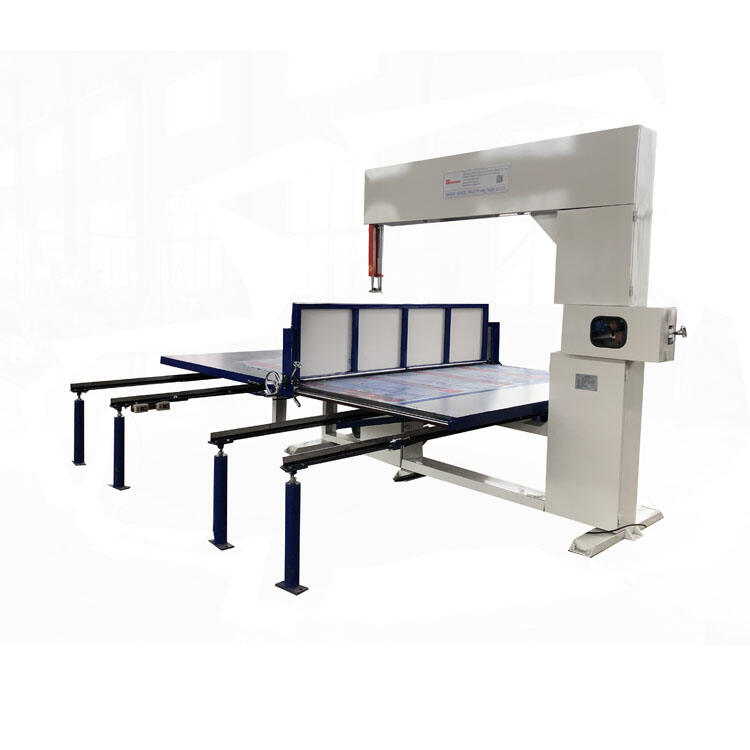
Основные типы станков для резки пеноматериалов и сценарии их наилучшего применения
Станки с нагретой проволокой: простота, высокая скорость и экономическая эффективность при прямолинейной или криволинейной резке
Нагревательная проволока станки для резки пеноматериалов используют нагретую нихромовую проволоку для чистого реза пеноматериалов с низкой плотностью, таких как вспененный полистирол (EPS) и полиэтилен, обеспечивая безпыльные гладкие кромки при минимальных настройках. Они идеально подходят для прямых разрезов в больших объемах, простых кривых, а также для таких применений, как вставки для упаковки, архитектурные модели и демонстрационные стенды. Простота конструкции и низкая стоимость входа делают их отличным решением для небольших мастерских и прототипирования. Однако им не хватает силы и точности управления при резке пеноматериалов высокой плотности или эластичных пеноматериалов, а также они могут оставлять незначительные термические следы на линии реза.
Фрезерные станки с ЧПУ для резки пеноматериалов: точность, универсальность и многокоординатная функциональность
Системы на основе фрезерных станков с ЧПУ обеспечивают превосходную точность, воспроизводимость и универсальность обработки материалов по сравнению с терморезаками. Используя вращающиеся шпиндели и сменные фрезы, они выполняют резку, фрезерование и контурную обработку широкого спектра пеноматериалов — включая полиуретан высокой плотности, ре бонд и вискоэластичную пену с эффектом памяти формы — с чистыми кромками и высокой геометрической точностью. Стандартные трёхосевые конфигурации позволяют обрабатывать двухмерные профили и неглубокие трёхмерные контуры (например, вывески, упаковку), тогда как четырёхосевые комплектации обеспечивают полную поворотную обработку — исключая необходимость ручной переустановки заготовок при изготовлении фасок, рельефных поверхностей и эргономичных элементов мебели. Несмотря на более высокие первоначальные капитальные затраты, такие станки снижают объём отходов, поддерживают сложные геометрические формы и надёжно масштабируются как для единичного производства, так и для средних серий.
Специализированные системы (карусельные, линии для обработки EPS, гибридные ленточные пилы)
Специализированные системы резки пеноматериалов решают задачи промышленного масштаба или специфические требования к материалам, которые универсальные станки не в состоянии выполнить эффективно. Системы с карусельным (или поворотным) столом поворачивают несколько блоков пеноматериала под неподвижной режущей головкой, обеспечивая автоматическую непрерывную работу — идеально подходит для высокопроизводительного формирования слоёв матрасов и придания им контурной формы. Линии резки пенополистирола (EPS) интегрируют нагретые проволочные режущие элементы или автоматизированные пилы в конвейерные технологические процессы, оптимизируя скорость и стабильность при массовом производстве упаковочных форм. Гибридные ленточные пилы — оснащённые натянутыми непрерывными стальными полотнами — особенно эффективны при раскрое чрезвычайно толстых и сверхплотных пеноматериалов (например, ре-бонд, жёсткие листы полиуретана), где термические методы резки могут вызвать плавление или деформацию материала. Эти системы значительно снижают трудозатраты, повышают выход годной продукции и являются обязательным оборудованием для производителей, ориентированных на высокую производительность, стабильное качество или особые эксплуатационные характеристики специализированных материалов.
Соответствие мощности станка для резки пеноматериалов объёму вашего производства
Выбор подходящего станка для резки пеноматериалов означает согласование его физических и эксплуатационных характеристик — максимальных габаритов блока, времени цикла и уровня автоматизации — с вашим реальным объёмом производства и перспективами роста. Слишком маломощная система создаёт узкие места в периоды пиковой нагрузки; избыточно мощная — приводит к неоправданным капитальным затратам, занимает лишнюю площадь производственного помещения и увеличивает расходы на техническое обслуживание. Начните с количественной оценки вашего максимального часового выпуска: подсчитайте количество листов, контуров или готовых деталей, требуемых за одну смену — и убедитесь, что номинальная производительность станка, максимальные габариты обрабатываемой заготовки и эффективность смены настроек позволяют поддерживать этот темп без частого вмешательства оператора или простоев.
Ключевые технические характеристики, определяющие производительность станка для резки пеноматериалов
При оценке станка для резки пеноматериалов технические характеристики, такие как жёсткость порталной конструкции, рабочий диапазон перемещения, мощность шпинделя и интеллектуальность программного обеспечения, напрямую определяют качество реза, производительность и совместимость с различными материалами. Предпочтение этим параметрам гарантирует надёжную работу станка при обработке пеноматериалов требуемой плотности, блоков заданных размеров и деталей сложной конфигурации.
Жёсткость порталной конструкции, рабочий диапазон перемещения и мощность шпинделя: обработка пеноматериалов высокой плотности и толстых блоков
Жесткая тяжелонагруженная порталная конструкция минимизирует вибрации и прогибы при резке с высоким усилием — это критически важно при работе с плотными пеноматериалами, такими как полиуретан, или с толстыми блоками ЭПС высотой более 1200 мм. Недостаточная жёсткость приводит к конусности, волнистости или изменению геометрических размеров заготовки, особенно при глубоких вертикальных резах. Рабочий ход определяет используемый объём по осям X–Y–Z; большие объёмы позволяют обрабатывать более габаритные заготовки, применяемые в производстве сердечников матрасов, автомобильных сидений или крупноформатных теплоизоляционных панелей. Мощность шпинделя обычно составляет от 2 до 5 кВт — этого достаточно для стабильного вращения твёрдосплавных или алмазных фрез в труднообрабатываемых материалах без остановки или перегрева. Шпиндели с регулируемой частотой вращения (10 000–24 000 об/мин) позволяют операторам оптимизировать подачу: более низкие скорости — для пеноматериалов высокой плотности, чтобы ограничить нагрев и предотвратить плавление; более высокие скорости — для мягких пеноматериалов, обеспечивающие чёткие, заусенцевые кромки.
Программный интеллект: алгоритмы раскроя, поддержка зонирования и интеграция CAD/CAM для сложных рабочих процессов станков для резки пеноматериалов
Современная резка пеноматериалов зависит не меньше от интеллектуального программного обеспечения, чем от механических возможностей. Продвинутые алгоритмы размещения автоматически упорядочивают детали для максимизации использования материала — сокращая отходы на 10–15 % при работе с дорогостоящими пеноматериалами, такими как пенополиуретан с эффектом памяти формы или огнестойкий пенополиуретан. Поддержка зонирования позволяет станку динамически регулировать подачу, глубину резания и частоту вращения шпинделя в зависимости от плотности различных слоёв в пределах одного блока — это необходимо при производстве многослойных матрасных основ или автомобильных сидений. Бесшовная интеграция CAD/CAM обеспечивает прямой импорт файлов форматов STL, IGES или STEP и автоматическую генерацию оптимизированных траекторий инструмента для сложных трёхмерных контуров без необходимости ручного программирования. Имитация в реальном времени позволяет заранее просмотреть траектории резания и потенциальные риски столкновений до начала выполнения операции, минимизируя пробные запуски и простои оборудования. В совокупности эти функции превращают станок для резки из автономного инструмента в адаптивный, управляемый данными элемент вашей цифровой производственной системы — особенно ценную возможность при изготовлении индивидуальных изделий, малыми партиями или при частой корректировке конструкций.
Отраслевые требования к выбору оптимального станка для резки пеноматериалов
Различные сектора предъявляют уникальные требования к производительности станков для резки пеноматериалов — в частности, к сочетанию скорости, точности, степени автоматизации и отзывчивости программного обеспечения. Соответствие оборудования отраслевым приоритетам обеспечивает стабильное качество продукции, соблюдение нормативных требований и долгосрочную эксплуатационную эффективность.
Производство матрасов: зонирование слоёв, контурная резка высокой производительности и воспроизводимость
Производство матрасов требует точной и воспроизводимой обработки многослойных блоков из пеноматериала с различной плотностью. Режущий станок должен поддерживать зонирование — применение различных стратегий резки в зонах разной жёсткости (например, более мягкая зона поддержки поясницы и более жёсткий периметр), чтобы сохранить заданные профили комфорта. Высокоскоростная контурная резка при стабильных скоростях свыше 15 метров в минуту обеспечивает необходимую пропускную способность линии без ущерба для качества кромок. Воспроизводимость в пределах ±0,5 мм при тысячах резов в день является обязательным требованием: даже незначительные отклонения накапливаются, приводя к существенным потерям материала и нестабильности характеристик сна. Такие функции, как автоматическая смена инструмента, фиксация заготовок с помощью вакуума и оптимизация траектории резки с учётом размещения деталей, сокращают цикловое время до 30 %, поэтому они стали стандартом на современных высокопроизводительных предприятиях по выпуску матрасов.
Автомобильные сиденья и изделия из специального поролона: контроль допусков, качество кромок и гибкость при мелкосерийном производстве
Автомобильные сиденья требуют исключительной точности размеров — обычно с допусками ±0,1 мм — для соответствия сложным контурам, заданным в CAD, бесшовной интеграции с чехлами обивки и успешного прохождения строгих краш-тестов. Кромки должны быть чистыми, без трещин, следов термического воздействия или микроразрывов, особенно на видимых поверхностях пеноматериала. Поскольку программы изготовления сидений зачастую включают быстрые итерации конструкции и мелкие партии (менее 50 единиц), гибкость является ключевым требованием: станок должен поддерживать быстрый импорт CAD-файлов, оперативную подготовку заданий и минимальную повторную калибровку при переходе между деталями. Компактная высокожёсткая порталная конструкция в паре с высокоскоростным шпинделем (15 000–24 000 об/мин) и программируемым вакуумным столом обеспечивает манёвренное производство с высокой точностью — даже на стадии прототипирования — без потери качества, соответствующего автомобильным стандартам.
Часто задаваемые вопросы
В чём заключается главное преимущество станков для резки пеноматериалов нагретой проволокой?
Станки для резки пенопласта нагретой проволокой отличаются простотой конструкции, экономичностью и отсутствием пыли при резке, что делает их идеальными для прямолинейных разрезов и простых кривых в пеноматериалах низкой плотности, таких как EPS.
Какие типы пеноматериалов наиболее подходят для станков с ЧПУ на основе фрезерного маршрутизатора?
Станки с ЧПУ на основе фрезерного маршрутизатора хорошо работают с полиуретаном высокой плотности, переработанной (rebond) пеной и вискоэластичной пеной с эффектом «памяти формы», обеспечивая высокую точность и универсальность при обработке сложных геометрических форм.
Когда следует рассматривать специализированные системы?
Специализированные системы, такие как карусельные установки, линии для обработки EPS и гибридные ленточные пилы, идеально подходят для промышленного производства или выполнения задач с особыми требованиями к характеристикам материалов, обеспечивая высокую производительность и стабильность результатов.
Какие технические характеристики являются критически важными для станков для резки пеноматериалов?
К числу основных характеристик относятся жёсткость порталной конструкции, рабочий ход, мощность шпинделя и интеллектуальность программного обеспечения — все они напрямую влияют на качество реза, совместимость с различными материалами и производительность.
Какие отрасли получают наибольшую пользу от применения передовых станков для резки пеноматериалов?
Такие отрасли, как производство матрасов и автомобильных сидений, требуют точной зональной разбивки, высокой производительности и стабильной размерной точности для оптимального производства.
Содержание
-
Основные типы станков для резки пеноматериалов и сценарии их наилучшего применения
- Станки с нагретой проволокой: простота, высокая скорость и экономическая эффективность при прямолинейной или криволинейной резке
- Фрезерные станки с ЧПУ для резки пеноматериалов: точность, универсальность и многокоординатная функциональность
- Специализированные системы (карусельные, линии для обработки EPS, гибридные ленточные пилы)
- Соответствие мощности станка для резки пеноматериалов объёму вашего производства
- Ключевые технические характеристики, определяющие производительность станка для резки пеноматериалов
- Отраслевые требования к выбору оптимального станка для резки пеноматериалов
-
Часто задаваемые вопросы
- В чём заключается главное преимущество станков для резки пеноматериалов нагретой проволокой?
- Какие типы пеноматериалов наиболее подходят для станков с ЧПУ на основе фрезерного маршрутизатора?
- Когда следует рассматривать специализированные системы?
- Какие технические характеристики являются критически важными для станков для резки пеноматериалов?
- Какие отрасли получают наибольшую пользу от применения передовых станков для резки пеноматериалов?