
 EN
EN
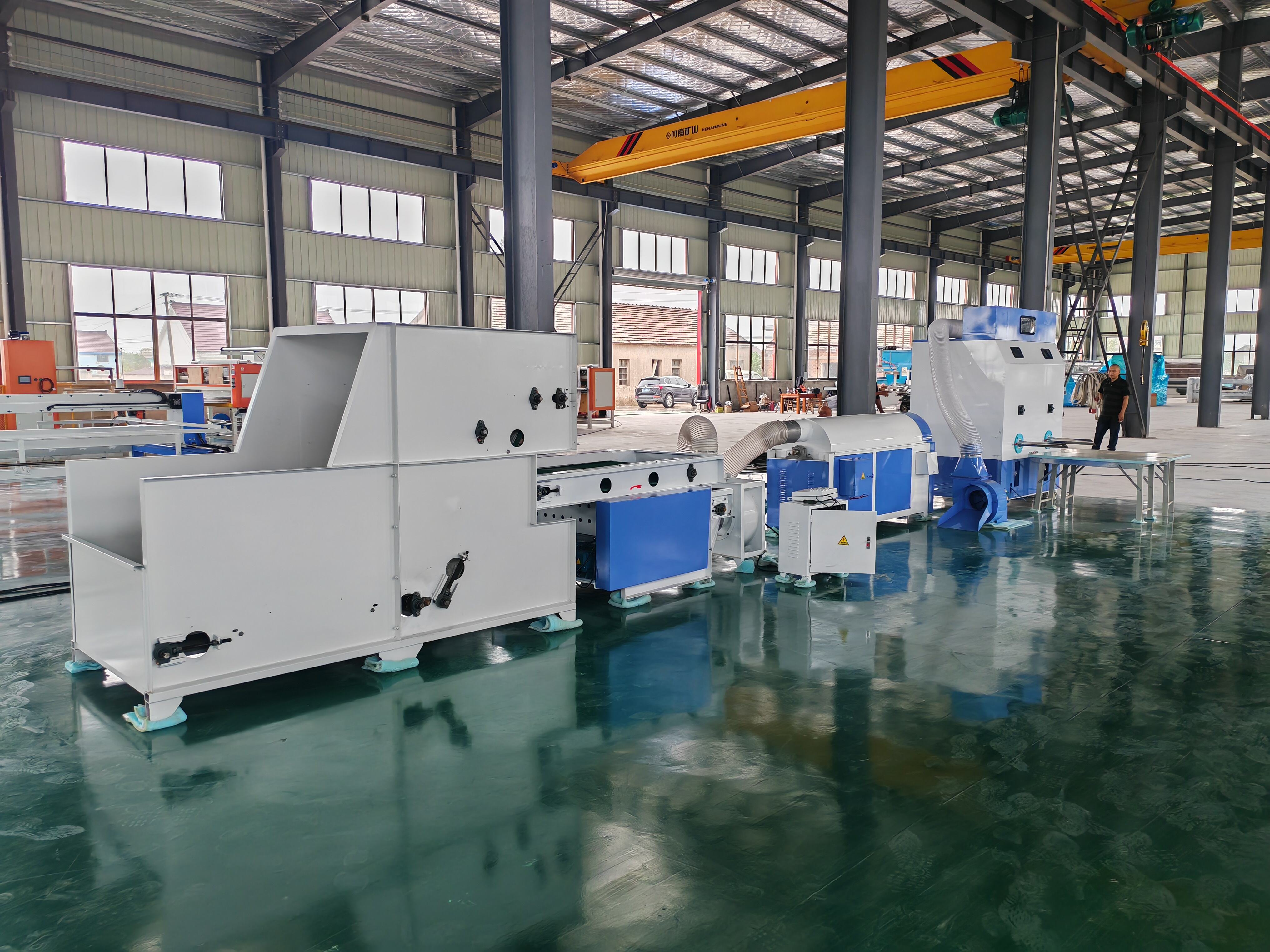
Как машины для наполнения волокном обеспечивают точную и стабильную плотность наполнения
Разрыв в показателях вариативности: ручная набивка по сравнению с производительностью автоматизированной машины для наполнения волокном
Ручная набивка приводит к значительным колебаниям плотности наполнения — до ±30% — из-за утомляемости оператора и нестабильности применяемой техники. Такая нестабильность вызывает появление комковатой текстуры или недостаточно набитых конечностей у плюшевых игрушек, что напрямую влияет на воспринимаемое качество. В отличие от этого, автоматизированные машины для наполнения волокном устранение зависимых от человека переменных за счет программируемой объемной или гравиметрической дозировки. Современные сервоприводные механизмы точно регулируют скорость подачи волокна, а встроенные расходомеры непрерывно проверяют массу или объем по отношению к заданным целевым значениям. Исследования показывают, что автоматизированные системы снижают отклонение плотности наполнения до менее чем ±5 %, обеспечивая однородность мягкости и структурной целостности во всех производственных партиях.
Контроль плотности в замкнутом контуре: калибровка в реальном времени для получения однородного выходного сигнала
Современные машины для наполнения волокном оснащены системами замкнутого управления, которые динамически корректируют параметры наполнения на основе данных датчиков, получаемых в процессе работы. Тензодатчики или оптические сканеры непрерывно контролируют плотность выходного продукта, передавая измеренные в реальном времени значения в программируемый логический контроллер (ПЛК) машины. Если отклонения превышают заданные допуски (например, >±3 %), система автоматически выполняет повторную калибровку давления наполнения, скорости конвейера или частоты вращения шнека — без остановки производства. Такой непрерывный контур обратной связи компенсирует различия между партиями материала (например, различия в степени уплотнения полиэстерного волокна) и износ механических компонентов. Ведущие производители сообщают, что такие системы обеспечивают соответствие требованиям стандарта ISO 9001 по показателю стабильности качества более чем для 98 % выпускаемых изделий.
Выбор оптимального полиэстерного волокна для вашей машины для наполнения волокном
Почему свойства волокна (деньер, кримп, силиконизация) определяют стабильность подачи материала в машину
Производительность машины для наполнения волокном напрямую зависит от физических характеристик используемого полиэфирного волокна. Три свойства — деньер, кримп и силиконизация — определяют, насколько стабильно волокно проходит через бункер и систему подачи машины. Деньер, или толщина волокна, влияет на объёмную плотность: волокна с деньером ниже 6 уплотняются слишком сильно и могут вызывать засоры, тогда как более грубые волокна (деньер 15 и выше) подаются плавнее, но снижают мягкость. Кримп — это волнистость, придаваемая волокну в процессе производства, — создаёт воздушные карманы, влияющие на сжимаемость. Уровень кримпа менее 8 изгибов на дюйм часто приводит к «плоской» подаче и колебаниям плотности. Силиконизация — поверхностное покрытие — снижает образование статического электричества и трение между волокнами. Недостаточная силиконизация вызывает спутывание волокон и заклинивание машины, а чрезмерное нанесение покрытия приводит к его осаждению на роликах и потере сцепления. Ведущие производители рекомендуют протестировать три–пять партий волокна на конкретной модели машины до начала серийного производства, чтобы обеспечить стабильность скорости подачи в пределах ±3 % от заданного целевого значения — это позволяет избежать дорогостоящих простоев и нестабильности массы наполнителя в готовых плюшевых игрушках.
Стандартизация плотности наполнения по анатомии игрушек с использованием метрик, основанных на данных
Обеспечение однородной плотности наполнения по всей сложной анатомии игрушки требует больше, чем интуиция или ручная корректировка. Современные машины для наполнения волокнистыми материалами используют метрики, основанные на данных, чтобы сопоставить целевые значения плотности с конкретными зонами тела, устраняя неопределённость, приводящую к деформации после шитья. Стандартизируя процесс, производители гарантируют, что каждое готовое изделие соответствует единым показателям качества независимо от сложности конструкции.
Устранение деформации после шитья за счёт зональных соотношений наполнения (туловище, конечности, голова)
Деформация после шитья возникает, когда различные участки плюшевой игрушки получают неодинаковый объем наполнителя, что приводит к натяжению швов или обрушению формы. Данный подход, основанный на анализе данных, предполагает назначение отдельных коэффициентов заполнения для каждой анатомической зоны. Например, туловище может требовать коэффициент плотности 1,8 для обеспечения жёсткой структуры, тогда как конечности нуждаются в более мягкому коэффициенту 1,2, чтобы сохранять гибкость, а голова — в сбалансированном значении 1,5, обеспечивающем удержание формы без излишней жёсткости. Автоматизированные машины для наполнения волокнами в реальном времени корректируют параметры подачи наполнителя для достижения заданных зонированных значений, снижая частоту деформаций до 40 % по сравнению с ручной набивкой единым коэффициентом плотности. Такая точность исключает необходимость переделки и сохраняет силуэт, задуманный дизайнером.
Встроенные датчики, соответствующие стандарту ISO/IEC 17025, для прослеживаемой проверки плотности
Для обеспечения стабильного качества наполнения ведущие производители интегрируют в линию датчики, соответствующие стандарту ISO/IEC 17025 в части прослеживаемости измерений. Эти датчики непрерывно контролируют плотность наполнителя в процессе работы машины для набивки волокном и передают данные в систему замкнутого управления. Если плотность наполнителя в какой-либо зоне изделия отклоняется от заданного соотношения, машина автоматически выполняет повторную калибровку до начала набивки следующей игрушки. В результате формируется полностью прослеживаемый журнал производства, привязанный к каждой партии, что позволяет проводить анализ первопричин при выявлении дефектов на последующих этапах. Такая валидация на основе датчиков переводит параметр «плотность наполнения» из контролируемой характеристики в гарантированный параметр в реальном времени — что особенно важно для высокопроизводительных линий по выпуску плюшевых игрушек, где требуется воспроизводимая мягкость и структурная целостность.
Интеграция машины для набивки волокном в сквозную систему обеспечения качества
Регистрация параметров с привязкой к MES для прослеживаемости наполнения на уровне партии и анализа первопричин
Интеграция вашей машины для наполнения волокном с системами исполнения производственных операций (MES) превращает изолированную автоматизацию в цифровой фундамент обеспечения прослеживаемости и качества. Системы MES регистрируют критические параметры — массу наполнения, распределение плотности, давление на сопле и время цикла — для каждой производственной партии. Это обеспечивает сквозную цифровую прослеживаемость, позволяя производителям связывать окончательные дефекты плюшевых игрушек, такие как комки или недостаточно наполненные конечности, с конкретными настройками оборудования или партиями материалов. При возникновении отклонений (например, снижении плотности на 15 % в области туловища) инженеры могут выявить корневые причины — будь то нестабильность подачи волокна, колебания давления воздуха или дрейф калибровки — в течение минут, а не дней. Ведущие производители, использующие машины для наполнения, интегрированные с MES, сообщают о снижении отходов, связанных с дефектами, на 40 % и ежегодной экономии в размере 740 тыс. долларов США за счёт предотвращённых отзывов продукции. Такой замкнутый поток данных также упрощает соответствие стандартам, таким как ISO/IEC 17025, предоставляя проверяемые, заверенные временем протоколы валидации для каждой мягкой игрушки.
Часто задаваемые вопросы
Каковы преимущества автоматических машин для наполнения волокном по сравнению с ручной набивкой?
Автоматические машины для наполнения волокном значительно снижают колебания плотности наполнения, повышают стабильность процесса и устраняют отклонения, вызванные усталостью оператора. Они обеспечивают однородную текстуру и структурную целостность готовых изделий.
Как системы управления с обратной связью могут повысить эффективность машин для наполнения волокном?
Системы управления с обратной связью используют данные датчиков в реальном времени для корректировки и калибровки параметров наполнения в ходе производства, обеспечивая стабильную плотность даже при изменении характеристик партии материала или механических параметров.
Почему выбор подходящего полиэстерового волокна важен для стабильности работы машины?
Свойства волокна — такие как деньер, кримп и наличие силиконовой пропитки — влияют на стабильность подачи. Правильный выбор предотвращает засорение, спутывание или снижение мягкости, обеспечивая бесперебойную работу и надёжный выход продукции.
Какую роль играют метрики на основе данных в стандартизации плотности наполнения?
Метрики, основанные на данных, позволяют производителям устанавливать точные коэффициенты заполнения для различных зон анатомии игрушек, минимизируя деформацию после швейной обработки и обеспечивая стабильное качество сложных конструкций.
Как интеграция с системой MES повышает эффективность обеспечения качества?
Системы MES обеспечивают прослеживаемость на уровне партий за счёт регистрации параметров оборудования, что упрощает анализ первопричин дефектов и гарантирует соответствие международным стандартам, таким как ISO/IEC 17025.
Содержание
- Как машины для наполнения волокном обеспечивают точную и стабильную плотность наполнения
- Выбор оптимального полиэстерного волокна для вашей машины для наполнения волокном
- Стандартизация плотности наполнения по анатомии игрушек с использованием метрик, основанных на данных
- Интеграция машины для набивки волокном в сквозную систему обеспечения качества
-
Часто задаваемые вопросы
- Каковы преимущества автоматических машин для наполнения волокном по сравнению с ручной набивкой?
- Как системы управления с обратной связью могут повысить эффективность машин для наполнения волокном?
- Почему выбор подходящего полиэстерового волокна важен для стабильности работы машины?
- Какую роль играют метрики на основе данных в стандартизации плотности наполнения?
- Как интеграция с системой MES повышает эффективность обеспечения качества?