
 EN
EN
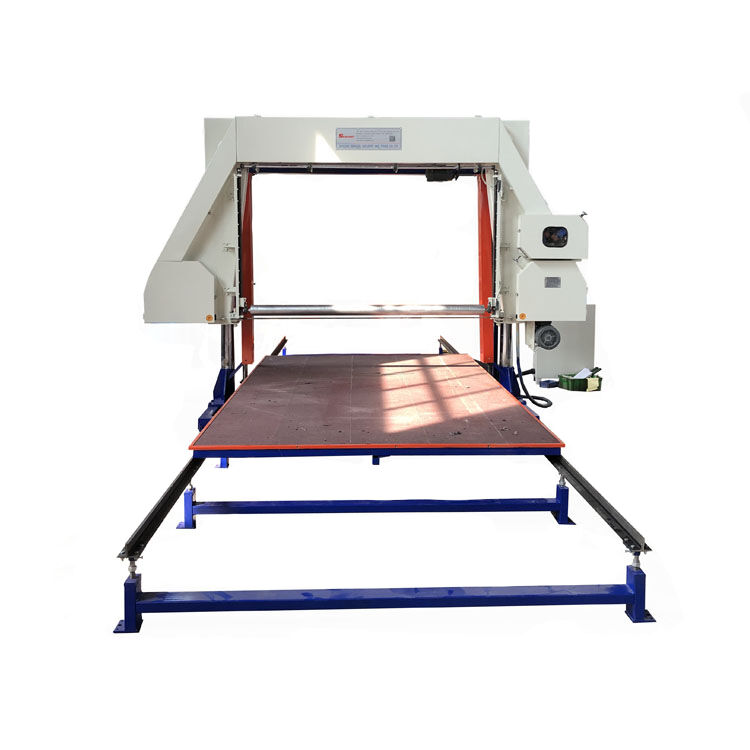
Wie CNC-Schaumschneidmaschinen Präzision und Konsistenz erreichen
Modern CNC-Schaumschneidmaschinen erreichen Sie eine Genauigkeit im Submillimeterbereich durch eng integrierte Hardware- und Softwaresysteme. Hochauflösende Servomotoren, steife Maschinenrahmen und fortschrittliche Bewegungsregler arbeiten synchron, um Vibrationen zu unterdrücken und Positionsfehler zu minimieren. Echtzeit-Rückmeldungen von Encodern und Linearskalen kompensieren thermische Drift und Werkzeugverschleiß – so wird sichergestellt, dass jeder Schnitt über lange Produktionsläufe hinweg exakt mit dem digitalen Modell übereinstimmt. Diese grundlegende Stabilität ermöglicht es Herstellern, komplexe Schaumstoffkomponenten mit konsistenter Maßhaltigkeit auch in großem Maßstab herzustellen.
Optimierung der Werkzeugbahn und Auswahl des Fräswerkzeugs für Submillimeter-Genauigkeit
Die Werkzeugbahnplanung ist entscheidend, um saubere und maßgenaue Schnitte zu erzielen. CAM-Software berechnet effiziente, geschmeidige Bahnen, die abrupte Richtungswechsel vermeiden – wodurch die Werkzeugverformung und das Ausreißen von Kanten reduziert werden. Bei Schaumstoff wird üblicherweise das Gegenlauf-Fräsen bevorzugt: Es erzeugt einen Scher-Schnitt, bei dem die Späne vor dem Werkzeug hergeschoben werden, wodurch die Wärmeentwicklung minimiert und die empfindliche Zellstruktur bewahrt wird. Auch die Wahl des Fräswerkzeugs ist von zentraler Bedeutung – Ein-Schneiden-Fräser oder Kompressionsfräser mit scharfen Hartmetallschneiden scheren Schaumstoff sauber ab, anstatt ihn zu zerdrücken. So kann beispielsweise ein Fräser mit einem Durchmesser von 1/8 Zoll (3,175 mm) und einem Spiralwinkel von 10° bei einer optimalen Vorschubgeschwindigkeit von 2.000–4.000 mm/min für Polyurethan mit mittlerer Dichte eine Toleranz von ±0,05 mm bei einer Kontur von 50 mm einhalten. Eine Überschneidung (Step-over) von 20–40 % des Fräserdurchmessers reduziert zudem das Auftreten von Wellenbildung (Scalloping) weiter und macht häufig eine nachträgliche Schleifbearbeitung überflüssig.
Gegenlauf- vs. Mitlauf-Fräsen: Auswirkungen auf die Kantenqualität und die strukturelle Integrität des Schaumstoffs
Die Wahl zwischen Gegenlauf- und Mitlauf-Fräsen wirkt sich unmittelbar auf die Oberflächenqualität und die strukturelle Integrität aus. Beim Mitlauf-Fräsen – bei dem der Fräser in dieselbe Richtung dreht wie der Vorschub – erfolgt der Eingriff in das Material mit voller Schnitttiefe und ein sauberer Austritt, wodurch Wärmeentwicklung, Ausfransen und Mikrorisse reduziert werden. Dies macht es ideal für dünnwandige EPS-Muster, filigrane architektonische Modelle oder Formeinsätze für die Luft- und Raumfahrt. Beim Gegenlauf-Fräsen hingegen erfolgt der Eingriff schrittweise, doch die Werkzeugspitze hebt die Oberfläche an, was das Risiko von Kantenanhebung und Delamination erhöht – insbesondere bei niedrigdichten Schaumstoffen. Um die Integrität des Schaumstoffs zu bewahren, begrenzen Bediener die radiale Eingriffsbreite auf unter 50 % des Fräserdurchmessers, um seitliche Kräfte zu verringern, die weiche Substrate verformen könnten. Bei systematischer Anwendung – mit geeigneten Drehzahlen, Vorschüben und Werkzeuggeometrie – liefert das Mitlauf-Fräsen konsistent Kanten, die die Toleranz von ±0,1 mm erfüllen, wie sie in der Luft- und Raumfahrt-Musterherstellung sowie bei der Fertigung von Automobil-Hilfsmitteln gefordert wird.
Wichtige industrielle Anwendungen der CNC-Schaumstoffschneidemaschine
Luft- und Raumfahrt sowie Automobilindustrie: Herstellung von Formen, Mustern und Vorrichtungen mit einer Toleranz von ±0,1 mm
Hersteller aus der Luft- und Raumfahrt- sowie der Automobilindustrie setzen CNC-Schaumschneidmaschinen ein, um Formen, Muster und Vorrichtungen mit einer Präzision von ±0,1 mm herzustellen. Diese Systeme schneiden dichte Schaumstoffe – darunter Polyurethan und HDU – zu Werkzeugen für die Composite-Laminierung, Windkanalmodelle und Prototypenteile zu. Durch die Automatisierung entfällt die manuelle Variabilität, und es wird eine hohe Wiederholgenauigkeit über verschiedene Losgrößen hinweg sichergestellt; dies beschleunigt die Designvalidierung und senkt die Werkzeugkosten gegenüber metallischen Alternativen deutlich. Windkanalkomponenten werden beispielsweise direkt aus CAD-Dateien gefertigt – wodurch sich die Durchlaufzeit von Wochen auf Tage verkürzt. In der Automobil-Stanztechnik dienen Schaumstoffstempel als Werkzeuge für die Umformung kleiner Losgrößen und ermöglichen so eine schnelle Iteration bei Karosserieteilen und Interieurverkleidungen. Die Kombination aus hoher Genauigkeit, Materialvielseitigkeit und kurzer Einrichtungszeit macht diese Maschinen für die Prototypenfertigung sowie die Kleinserienproduktion in beiden Branchen unverzichtbar.
Architektur, Beschilderung und medizinische Modellierung: Schnelles Prototyping mit CAD-zu-Schneiden-Workflow-Effizienz
In der Architektur, bei Werbeschildern und in der medizinischen Modellierung ermöglichen CNC-Schaumstoffschneidemaschinen durch einen nahtlosen CAD-zu-Schneiden-Workflow eine beschleunigte Prototypenerstellung. Architekten erstellen maßstabsgetreue Modelle von Gebäuden und städtischen Landschaften direkt aus BIM- oder CAD-Daten – was eine iterative Visualisierung komplexer Geometrien vor Baubeginn ermöglicht. Werbe- und Schilderhersteller schneiden leichtes EPS- und XPS-Material in dreidimensionale Buchstaben, Logos und individuelle Displays mit scharfen Kanten und feinster Detailgenauigkeit. In der Medizin werden anatomische Schaumstoffmodelle – etwa von Knochen, Organen oder chirurgischen Leitsystemen – für die präoperative Planung, die Aufklärung von Patienten sowie für praktische Schulungszwecke hergestellt. Durch den Verzicht auf manuelles Schablonieren wird Materialverschwendung reduziert, die Durchlaufzeit von Tagen auf Stunden verkürzt und ein sofortiger Wechsel zwischen verschiedenen Materialien und Designs ohne Neuwerkzeugung ermöglicht. Diese fachübergreifende Vielseitigkeit unterstreicht den strategischen Wert der Maschine jenseits der traditionellen Fertigung.
Integration von Schneidverfahren: Messer-, Heißdraht- und Ultraschallschneiden in modernen CNC-Schaumschneidmaschinen
Hybridsysteme für Multimaterialvielseitigkeit: Strategien zum Verarbeiten von EPS, HDU und Polyurethan
Moderne CNC-Schaumschneidmaschinen kombinieren drei ergänzende Schneidverfahren – Messerschneiden, Heißdrahtschneiden und Ultraschallschneiden –, um die Flexibilität bei unterschiedlichen Schaumstoffarten zu maximieren. Das Messerschneiden eignet sich hervorragend für starre, dichte Schaumstoffe wie HDU und erzeugt kalte, gratfreie Schnittkanten ohne thermische Verzerrung. Die Heißdrahttechnologie schmilzt sauber durch niedrigdichte geschlossenzellige Schaumstoffe wie EPS und Polyurethan und erzeugt staubfreie, glatte Konturen. Beim Ultraschallschneiden werden hochfrequente Schwingungen genutzt, um tackige oder faserige Schaumstoffe zu durchtrennen – wodurch Verformungen minimiert und die Kantenschärfe verbessert werden. Hybridsysteme automatisieren den Wechsel zwischen diesen Verfahren innerhalb eines einzigen Arbeitsgangs und ermöglichen es Werkstätten, EPS, HDU und Polyurethan auf einer einzigen Plattform ohne manuellen Werkzeugwechsel zu verarbeiten. Diese Integration reduziert Stillstandszeiten, erhöht die Produktionskapazität und unterstützt vielfältige Anwendungen – von maßgeschneiderter Verpackung und architektonischen Formen bis hin zu industriellen Vorrichtungen und medizinischen Prototypen.
Materialkompatibilität und betriebliche Effizienz von CNC-Schaumschneidmaschinen
Eine moderne CNC-Schaumschneidemaschine verarbeitet ein breites Spektrum an Materialien, ohne Einbußen bei Geschwindigkeit oder Präzision in Kauf nehmen zu müssen. Kompatible Substrate umfassen geschlossenzellige Schaumstoffe (EVA, Polyethylen), offenporigen Polyurethanschaum, hochdichten Polyurethanschaum (HDU) sowie weiche Elastomere wie Neopren und Silikon. Das System verarbeitet zudem nicht-schaumartige Materialien wie Pappe, Leder, Gewebe, Fiberglas und PTFE-Platten. Schleppmesser oder oszillierende Messer gewährleisten saubere, rissefreie Schnittkanten bei dünnen, flexiblen Schaumstoffen, während Spindeln mit stufenlos einstellbarer Drehzahl (10.000–24.000 U/min) das Schmelzen dichterer Substrate verhindern. Durch automatisiertes Konturschneiden wird eine Maßgenauigkeit von ±0,1 mm erreicht und der manuelle Arbeitsaufwand erheblich reduziert – was Ausschussraten senkt, die Durchlaufzeit beschleunigt und die Wiederholgenauigkeit sicherstellt, die sowohl für Prototypen als auch für die Serienfertigung in verschiedenen Branchen erforderlich ist.
Frequently Asked Questions (FAQ)
Was ist die Genauigkeit im Submillimeterbereich einer CNC-Schaumschneidemaschine?
Submillimetergenaue Genauigkeit bezieht sich auf die Fähigkeit der Maschine, eine Präzisionsschneidung mit einer Toleranz von weniger als einem Millimeter zu erreichen – typischerweise etwa ±0,1 mm oder feiner, je nach Anwendung und Aufbau.
Welche Materialien können CNC-Schaumschneidmaschinen verarbeiten?
CNC-Schaumschneidmaschinen können eine breite Palette von Schaumstoffen verarbeiten, darunter geschlossenzellige Schaumstoffe (EVA, Polyurethan), offenzellige Schaumstoffe, hochdichten Urethan-Schaum (HDU) sowie weiche Elastomere. Zudem können sie Materialien wie Karton, Leder und Gewebe verarbeiten.
Wie wirkt sich die Optimierung des Werkzeugwegs auf die Schnittqualität aus?
Die Optimierung des Werkzeugwegs gewährleistet glatte Bahnen und reduziert abrupte Richtungsänderungen, wodurch die Werkzeugverformung und das Ausreißen an den Schnitträndern minimiert werden; dies führt zu saubereren und dimensionsgenaueren Schnitten.
Was sind die Vorteile hybrider Schneidsysteme?
Hybridsysteme kombinieren Messer-, Heißdraht- und Ultraschallschneidverfahren für vielseitigen Einsatz mit unterschiedlichen Materialien. Diese Automatisierung reduziert Ausfallzeiten, erweitert die Produktionskapazitäten und entfällt die Notwendigkeit eines manuellen Werkzeugwechsels.
Inhaltsverzeichnis
- Wie CNC-Schaumschneidmaschinen Präzision und Konsistenz erreichen
- Wichtige industrielle Anwendungen der CNC-Schaumstoffschneidemaschine
- Integration von Schneidverfahren: Messer-, Heißdraht- und Ultraschallschneiden in modernen CNC-Schaumschneidmaschinen
- Materialkompatibilität und betriebliche Effizienz von CNC-Schaumschneidmaschinen
- Frequently Asked Questions (FAQ)